

So That Man May Become Fully Human
GA 82
9 April 1922, The Hague
Translate the original German text into any language:
Versions Available:
So That Man May Become Fully Human, tr. SOL
3. Die bildende Kunst
3. The Visual Arts
[ 1 ] In einem gewissen Sinne wird dasjenige, was ich heute zu sagen habe, im Laufe meiner Vorträge hier eine Episode sein, indem von dem Gesichtspunkte wissenschaftlicher Betrachtung aus ein Ausblick gesucht werden wird in das Gebiet des künstlerischen Schaffens. Aber der Inhalt meiner heutigen Betrachtung wird auf der anderen Seite wiederum zeigen können, daß die Episode nicht bloß eine solche ist, sondern beitragen wird zur Beleuchtung desjenigen, was ich an den vorangegangenen Tagen gesagt habe und an den nachfolgenden noch zu sagen haben werde.
[ 1 ] In a certain sense, what I have to say today will be an interlude in the course of my lectures here, in that I will seek to offer a perspective on the realm of artistic creation from the standpoint of scientific inquiry. But the content of my remarks today will, on the other hand, demonstrate that this is not merely an episode, but will contribute to illuminating what I have said in the preceding days and what I will yet have to say in the days to come.
[ 2 ] Als die anthroposophische Bewegung eine Zeitlang gewirkt hatte, da bildete sich bei einer Anzahl derjenigen Persönlichkeiten, die zu ihr gehörten, die Überzeugung heraus, daß dieser anthroposophischen Bewegung ein eigener Bau errichtet werden solle. Durch mancherlei Verhältnisse, die ich hier nicht zu erwähnen habe, wurde zuletzt als Ort dieses Baues bestimmt der Jurahügel in der Nähe von Basel zu Dornach in der Schweiz, wo jetzt — allerdings noch nicht vollendet, aber schon soweit brauchbar, daß darin Vorträge gehalten werden können und Arbeiten geleistet werden — sich erhebt das Goetheanum, die Freie Hochschule für anthroposophische Geisteswissenschaft.
[ 2 ] After the anthroposophical movement had been active for some time, a conviction arose among a number of its members that a building of its own should be erected for this anthroposophical movement. Due to various circumstances, which I need not mention here, the Jura hills near Basel in Dornach, Switzerland, were ultimately chosen as the site for this building, where now — though not yet completed, but already usable enough to hold lectures and carry out work — stands the Goetheanum, the School of Spiritual Science.
[ 3 ] Ich möchte nun nur von den inneren Verhältnissen sprechen, welche zu diesem Bau führten. Wäre in irgendeiner anderen heutigen geistigen Bewegung der Entschluß gereift, einen eigenen Bau zu errichten, was würde denn dann zum Zustandekommen dieses Baues getan worden sein? Nun, man würde sich an einen Baumeister oder an mehrere gewendet haben, und man würde einen Bau aufgeführt haben im antiken oder Renaissance-Stil oder im gotischen Stil oder in irgendeinem anderen der traditionellen Baustile. Man würde entsprechend demjenigen, was heute da oder dort auf den verschiedenen künstlerischen Gebieten geleistet wird, künstlerisches Schaffen auch herangerufen haben, um diesen Bau in irgendeiner Weise malerisch, bildnerisch, plastisch zu schmücken.
[ 3 ] I would now like to speak only of the internal circumstances that led to this building. If the decision to erect a building of its own had matured in any other spiritual movement today, what would have been done to bring about this building? Well, one would have turned to an architect or several architects, and one would have had a building constructed in the classical or Renaissance style, or in the Gothic style, or in some other traditional architectural style. One would also have called upon artistic creativity, in accordance with what is being achieved today here and there in the various artistic fields, to adorn this building in some way through painting, sculpture, or plastic arts.
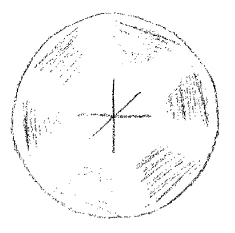
[ 4 ] Das alles konnte für den Dornacher Bau, für die Freie Hochschule für Geisteswissenschaft nicht geschehen, denn das würde im Widerspruch gestanden haben mit dem ganzen Wollen und mit dem innersten Wesen anthroposophischer Weltauffassung. Diese will ja nicht etwas einseitig Theoretisches sein, will nicht sein etwas, das in einer Summe von Ideen zum Ausdruck bringt Gesetzmäßigkeiten des Weltenalls, sondern diese anthroposophische Weltanschauung will etwas sein, das aus dem ganzen Menschen entspringt und wiederum für den ganzen Menschen da ist. Sie will etwas sein, was auf der einen Seite sich sehr wohl ausdrücken läßt in Gedankenformen, wie man das gewöhnt ist, wenn irgendeine Weltanschauung zur Darstellung kommen soll. Aber sie will etwas wesentlich Umfassenderes sein. Sie will sprechen können aus dem ganzen Umfang des menschlichen Wesens heraus. Sie will deshalb sprechen können nicht nur aus theoretisch-wissenschaftlichem Geiste heraus; sie will sprechen können auch aus künstlerischem Geiste heraus; sie will sprechen können aus religiösem, aus sozialem, aus ethischem Geiste heraus; und das alles so, wie das auf den betreffenden Gebieten durchaus den Interessen der unmittelbaren Lebenspraxis entspricht. Ich habe oftmals dasjenige, was wie eine Aufgabe vorlag für das Dornacher Goetheanum, in einer trivialen Weise in folgender Art durch einen Vergleich zum Ausdruck gebracht. Ich sagte: Man bedenke eine Nuß mit ihrem Kerne innerlich und mit der Schale ringsherum. Wenn man die Nußschale betrachtet, kann man sich unmöglich vorstellen, daß die Furchungen und Windungen der Nußschale aus anderen GesetzmäRigkeiten hervorgegangen sind als die Furchungen und Windungen des Nußkernes. Beide gehen gewissermaßen wie aus einem Wesen hervor. Die Nußschale, indem sie die Nuß umkleidet, geht aus derselben Gesetzmäßigkeit hervor wie der Nußkern selbst. Indem der Dornacher Bau, dieser Doppelkuppelbau, aufgeführt wurde, handelte es sich darum, eine bauliche, bildnerische und malerische Schale zu schaffen für dasjenige, was darinnen gearbeitet wird aus der anthroposophischen Weltanschauung heraus. Ebenso, wie vom Podium aus in Dornach gesprochen werden kann durch die Sprache der Gedanken über dasjenige, was erschaut wird in übersinnlichen Welten, ebenso muß man in der Lage sein, dasjenige, was architektonisch, plastisch, malerisch als eine Umrahmung da zu sein hat für diese anthroposophische Weltanschauung, aus demselben Geiste hervorgehen zu lassen.
[ 4 ] None of this could have been done for the Dornach building, for the School of Spiritual Science, because it would have been in contradiction to the entire intention and the innermost essence of the anthroposophical worldview. This worldview does not wish to be something one-sidedly theoretical; it does not wish to be something that expresses the laws of the universe through a sum of ideas, but rather, this anthroposophical worldview seeks to be something that springs from the whole human being and, in turn, is there for the whole human being. It seeks to be something that, on the one hand, can certainly be expressed in thought forms, as is customary when any worldview is to be presented. But it seeks to be something far more comprehensive. It aims to speak from the full scope of the human being. It therefore aims to speak not only from a theoretical-scientific spirit; it aims to speak also from an artistic spirit; it wants to be able to speak from a religious, a social, and an ethical spirit; and all of this in a way that, in the respective fields, fully corresponds to the interests of immediate life practice. I have often expressed what stood before the Dornach Goetheanum as a task in a trivial way through the following comparison. I said: Consider a nut with its kernel inside and the shell surrounding it. When one looks at the nut shell, one cannot possibly imagine that the grooves and twists of the nut shell have arisen from laws other than those governing the grooves and twists of the nut kernel. Both emerge, so to speak, from a single being. The nut shell, in that it encloses the nut, arises from the same laws as the nut kernel itself. In the construction of the Dornach building, this double-dome structure, the aim was to create an architectural, sculptural, and painterly shell for that which is worked out within it from the anthroposophical worldview. Just as one can speak from the podium in Dornach through the language of thought about that which is beheld in the supersensible worlds, so too must one be able to bring forth from the same spirit that which, architecturally, sculpturally, painting—serves as a framework for this anthroposophical worldview—to spring from the same spirit.
[ 5 ] Dabei steht man dann vor einer großen Gefahr . Man steht vor der Gefahr, Ideen über dieses oder jenes zu haben und dann diese Ideen einfach in symbolischer oder gar in strohern allegorischer Form äußerlich zum Ausdruck zu bringen. Das geschieht ja sehr häufig, wenn Weltanschauungen übergehen in die äußere Darstellung. Da kommen dann Symbole oder Allegorien zustande, die eben durchaus nicht künstlerisch sind, die im Gegenteil dem wirklich künstlerischen Empfinden Hohn sprechen. Das muß vor allen Dingen für die anthroposophische Weltauffassung festgestellt werden, daß sie nichts zu tun haben will mit solcher symbolischen oder allegorischen Widerkunst, Unkunst, sondern daß sie durchaus aus einem so reichen inneren Geistesleben auch als Weltanschauung hervorsprießen will, daß dieses Geistesleben nicht allegorisch oder symbolisch, sondern in echt künstlerischen Schöpfungen sich ausleben kann. In Dornach ist kein einziges Symbol, keine einzige Allegorie zu sehen, sondern alles das, was künstlerisch zur Darstellung gekommen ist, ist eben im künstlerischen Anschauen, im Formgestalten, im Schaffen aus dem Farbig-Malerischen heraus entstanden; ist entstanden, indem die Anschauung eine durchaus künstlerische war, die nichts zu tun hatte mit demjenigen, was gewöhnlich so ausgedrückt wird, daß die Leute kommen und sagen: Was bedeutet das? Was bedeutet jenes? — In Dornach soll keine einzige Form in diesem Sinne etwas bedeuten, sondern eine jede Form soll im echt künstlerischen Sinne etwas sein, das heißt sich selber bedeuten, sich selber aussprechen. Diejenigen Menschen, die heute nach Dornach kommen und behaupten, da sei irgend etwas Symbolisches oder Allegorisches zu sehen, die legen eben ihr eigenes Vorurteil in diesen Bau hinein und geben durchaus nicht dasjenige wieder, was durch diesen Bau zustandegekommen ist. Denn durchaus sollte es da so sein, daß derselbe Geist, aber nicht der theoretische, sondern der lebendige Geist, der vom Podium aus spricht oder von der Bühne aus wirkt, auch spreche aus den künstlerischen Bauformen, aus den künstlerisch-plastischen Formen, aus demjenigen, was malerisch zur Darstellung kommt. Die Schale sollte aus demselben Wesen hervorgehen wie dasjenige, was als Kern darinnen wirkt, nämlich die Weltanschauung selbst, die durch das gesprochene Wort zum Ausdruck kommt.
[ 5 ] In doing so, one faces a great danger. One faces the danger of having ideas about this or that and then simply expressing these ideas externally in symbolic or even in a flimsy allegorical form. This happens very frequently when worldviews are translated into external representation. This results in symbols or allegories that are by no means artistic; on the contrary, they mock true artistic sensibility. It must be emphasized above all regarding the anthroposophical worldview that it has no desire to have anything to do with such symbolic or allegorical pseudo-art, anti-art, but rather that it seeks to spring forth as a worldview from such a rich inner spiritual life that this spiritual life can express itself not allegorically or symbolically, but through genuinely artistic creations. In Dornach there is not a single symbol, not a single allegory to be seen; rather, everything that has been artistically represented has arisen precisely through artistic perception, through the shaping of form, through creation from the realm of color and painting; it has arisen because the perception was thoroughly artistic, having nothing to do with what is usually expressed when people come and say: What does this mean? What does that mean? — In Dornach, not a single form is meant to signify anything in this sense; rather, every form is meant to be, in the true artistic sense, something that signifies itself, that expresses itself. Those people who come to Dornach today and claim that there is something symbolic or allegorical to be seen are simply projecting their own preconceptions onto this building and are by no means reflecting that has come about through this building. For it should certainly be the case that the same spirit—not the theoretical one, but the living spirit that speaks from the podium or works from the stage—also speaks through the artistic architectural forms, through the artistic-plastic forms, through that which is depicted in the paintings. The shell should emerge from the same essence as that which acts as the core within it, namely the worldview itself, which is expressed through the spoken word.
[ 6 ] Wenn nun aber anthroposophische Weltanschauung etwas ist, was sich als ein Neues in der Art hineinstellt in die Menschheitsentwickelung, wie ich mir erlaubt habe, das in den zwei letzten Betrachtungen hier darzulegen, dann war es auch natürlich, daß in dem Baustil, in den plastischen, den malerischen Formen, in der ganzen bildenden Kunst nicht dasjenige zum Ausdruck kommen konnte, was schon da war. Es konnten keine künstlerischen Reminiszenzen, nicht antike, nicht Renaissance-, nicht gotische Reminiszenzen verwirklicht werden, es mußte sich anthroposophische Weltanschauung als produktiv genug erweisen, um ihren eigenen Stil, ihren künstlerischen Stil für die bildende Kunst hervorzubringen.
[ 6 ] But if the anthroposophical worldview is something that introduces itself as something new into the course of human development, as I have taken the liberty of explaining in the last two reflections here, then it was also natural that in the architectural style, in the sculptural and painterly forms, in the entire visual arts, what was already there could not be expressed. No artistic reminiscences—neither ancient, nor Renaissance, nor Gothic—could be realized; the anthroposophical worldview had to prove itself productive enough to bring forth its own style, its artistic style for the visual arts.
[ 7 ] Gewiß, wenn einem solches Wollen auf der Seele und auf dem Herzen liegt, wird man recht bescheiden. Man wird selber sein strengster Kritiker. Deshalb weiß ich durchaus, daß, wenn ich den Dornacher Bau ein zweites Mal zu bauen hätte, es würde manches, was mir heute durchaus unvollkommen, ja oftmals fehlerhaft erscheint, anders dastehen. Allein, im Wesentlichen kommt es ja, wenigstens für die heutige Betrachtung, nicht darauf an, sondern auf das Wollen, das ich eben charakterisiert habe. Und von diesem Wollen möchte ich sprechen.
[ 7 ] Certainly, when such a desire lies on one’s soul and in one’s heart, one becomes quite modest. One becomes one’s own strictest critic. That is why I know full well that if I had to build the Dornach building a second time, many things that today seem to me quite imperfect, indeed often flawed, would look different. Yet, essentially, at least from today’s perspective, that is not what matters, but rather the aspiration I have just described. And it is this intention that I would like to speak about.
[ 8 ] Wenn wir von bildender Kunst, wie sie ja in diesem Zusammenhang eben in Betracht kommt, sprechen, namentlich von jener bildenden Kunst, auf welche, als auf eine ihr notwendige Schöpfung, die anthroposophische Weltanschauung hingewiesen worden ist dadurch, daß sich Freunde gefunden haben, die die Opfer brachten, um den Dornacher Bau begründen zu können, — wenn von bildender Kunst in diesem Sinne die Rede ist, so handelt es sich vor allen Dingen darum, die menschliche Gestalt, zu der doch zuletzt alles in der bildenden Kunst hinzielt, und von der alles in der bildenden Kunst ausgeht, zu verstehen. Zu verstehen in der Weise, daß sie dann auch wirklich als menschliche Gestalt geschaffen werden kann.
[ 8 ] When we speak of the visual arts, as they are indeed under consideration in this context—namely, of those visual arts to which the anthroposophical worldview has pointed as a necessary creation, through the fact that friends were found who made the sacrifices necessary to establish the Dornach building—when we speak of the visual arts in this sense, then the primary concern is to understand the human form, toward which everything in the visual arts ultimately points, and from which everything in the visual arts proceeds. To understand it in such a way that it can then truly be created as a human form.
[ 9 ] Ich habe gestern auch von einem Elemente, von dem Raumelement gesprochen, insofern dieses Weltenelement ist, aber dennoch hervorgeht aus der menschlichen Wesenheit. Ich habe gestern davon gesprochen, daß die drei Raumdimensionen, nach denen wir ja zuletzt alle Gestaltungen, die der Welt zu Grunde liegen, bestimmen, aus der menschlichen Gestalt hervorgeholt werden können. Aber wenn man so spricht, wie ich gestern gesprochen habe über den Raum, so kommt man eigentlich niemals zu derjenigen Raumauffassung, die man in das empfindende, künstlerische Schaffen hereinbekommen muß, wenn man mit vollem Bewußtsein namentlich plastische Kunst, diejenige, die zuletzt aller bildnerischen Kunst zugrundeliegt, treiben will. Gerade wenn man den Raum so konkret in seinen drei Dimensionen vor dem geistigen Auge hat, wie das bei einer solchen Betrachtung der Fall ist, wie ich sie gestern angestellt habe, dann sieht man: der Raum, zu dem man da kommt, der kann ja gar nicht derjenige sein, in dem man sich befindet, wenn man zum Beispiel die menschliche Gestalt nun auch im Raume — wir gebrauchen ja auch da das Wort — bildhauerisch formt. Man kann gar nicht zu diesem Raum kommen, in dem man sich als Bildhauer befindet. Man kommt darauf: Das ist ja ein ganz anderer Raum. Ich berühre damit ein Geheimnis der menschlichen Weltbetrachtungsweise, das unserer heutigen Anschauung im Grunde genommen ganz verloren gegangen ist. Und Sie werden mir gestatten, daß ich zunächst von einer scheinbar ganz abstrakt-theoretischen Betrachtungsweise ganz kurz ausgehe. Sie soll nur dazu dienen, hinzuleiten auf dasjenige, was uns dann in einer viel, viel konkreteren Weise vor das Seelenauge wird treten können.
[ 9 ] Yesterday I also spoke of an element, the spatial element, insofar as it is a world element, yet nevertheless emerges from the human being. Yesterday I spoke of how the three spatial dimensions, by which we ultimately determine all the forms underlying the world, can be drawn out of the human form. But when one speaks of space as I did yesterday, one never actually arrives at the conception of space that must be brought into the creative, artistic process if one wishes to fully and consciously drive forward plastic art, —the one that ultimately underlies all visual art—with full consciousness. Precisely when one has space so concretely before one’s mind’s eye in its three dimensions, as is the case in such a contemplation as I undertook yesterday, then one sees: the space one arrives at there cannot possibly be the one in which one finds oneself when, for example, one now also forms the human figure in space — we use the word there as well — sculpturally. One cannot possibly arrive at this space in which one finds oneself as a sculptor. One realizes: This is, after all, an entirely different space. In doing so, I am touching upon a mystery of the human way of viewing the world that has, in essence, been completely lost to our present-day perspective. And you will allow me to begin very briefly with an approach that appears to be entirely abstract and theoretical. It is intended only to serve as a prelude to what will then be able to appear before the eye of the soul in a much, much more concrete way.
[ 10 ] Wenn man den Raum, von dem ich gestern gesprochen habe — und man tut es ja geometrisch, zunächst euklidisch-geometrisch — anwenden will auf die Dinge dieser Welt, so geht man ja bekanntlich davon aus, daß man einen Punkt annimmt für den konkreten Raum wie ich Ihnen gestern beschrieben habe, müßte man diesen Punkt natürlich im Inneren des menschlichen Leibes annehmen —, und man nimmt von diesem Punkte ausgehend drei aufeinander senkrechtstehende Achsen an und bezieht darauf irgendein Raumesgebiet, indem man die Entfernungen bestimmt von diesen drei Achsen, beziehungsweise von den drei Ebenen, welche durch diese drei Achsen gebildet werden. Da kommt man dazu, eine geometrische Bestimmung zu haben für irgend etwas, das unseren Raum erfüllt, oder auch im Sinne der Bewegungsmathematik die Möglichkeit zu haben, auch für das Bewegte im Raume Ausdrucksmöglichkeiten zu gewinnen. Aber neben diesem Raume gibt es durchaus noch einen anderen Raum. Diesen anderen Raum betritt eben der Bildhauer. Dieser andere Raum hat sein Geheimnis darin, daß man nun nicht von einem Punkte ausgehen und gewissermaßen auf diesen Punkt alles beziehen kann, sondern ausgehen muß von dem Gegenteil dieses Punktes. Was ist das? Das Gegenteil dieses Punktes ist nichts anderes als eine unendlich weit entfernte Kugel, zu der man hinaufsehen würde annähernd wie zum blauen Firmamente, wenn dieses da wäre. Denken Sie sich, statt daß ich einen Punkt habe, habe ich eine Hohlkugel, innerhalb deren ich mich befinde, und ich beziehe alles das, was darinnen ist, auf diese Hohlkugel. Statt in bezug auf einen Punkt durch Koordinaten, bestimme ich alles in bezug auf diese Hohlkugel. Solange ich Ihnen nur diese Darstellung gebe, können Sie mit Recht sagen: Ja, aber die Bestimmung mit Bezug auf eine solche Hohlkugel ist ja etwas chaotisches. Da komme ich zu keiner Vorstellung, wenn ich mir etwas denken soll. Sie haben recht, man kommt zu keiner Vorstellung. Aber es gibt eine menschliche Fähigkeit, welche sich nun ebenso zu dem Kosmos verhalten kann, wie wir uns gestern verhalten haben zum Menschen, zum Anthropos. Wie wir da hineingeschaut haben in den Menschen und die drei Dimensionen bekommen haben, und wie wir bestimmen können den Menschen nach diesen drei Dimensionen, indem wir sagen: In der Richtung der einen Dimension liegt die Längenausdehnung des Leibes, in der zweiten liegt dasjenige, was in die Ebene der ausgebreiteten Arme etwa fällt, was symmetrisch gebaut ist am menschlichen Organismus, und in der dritten liegt alles dasjenige, was in der Richtung von vorne nach rückwärts und umgekehrt gelagert ist, so haben wir da, wenn wir den Anthropos-Organismus betrachten, nicht etwas, was in beliebiger Weise in den drei Dimensionen liegt, sondern wir haben den menschlichen Organismus in ganz bestimmter Weise formiert, gestaltet.
[ 10 ] If one wishes to apply the space I spoke of yesterday—and one does so geometrically, initially in Euclidean geometry—to the things of this world, one naturally assumes a point for concrete space, as I described to you yesterday, one would naturally have to assume this point to be inside the human body—and starting from this point, one assumes three mutually perpendicular axes and relates some spatial region to them by determining the distances from these three axes, or rather from the three planes formed by these three axes. This leads to having a geometric definition for anything that fills our space, or, in the sense of the mathematics of motion, to having the possibility of finding ways to express even that which moves within space. But alongside this space, there is certainly another space. It is precisely this other space that the sculptor enters. The secret of this other space lies in the fact that one cannot start from a point and, so to speak, relate everything to that point, but must start from the opposite of that point. What is that? The opposite of this point is nothing other than an infinitely distant sphere, which one would look up to almost as one would to the blue firmament, if it were there. Imagine that instead of having a point, I have a hollow sphere within which I find myself, and I relate everything that is inside it to this hollow sphere. Instead of relating everything to a point via coordinates, I determine everything in relation to this hollow sphere. As long as I give you only this representation, you can rightly say: Yes, but determining things in relation to such a hollow sphere is, after all, somewhat chaotic. I can’t form a mental image when I’m supposed to think of something. You’re right; one can’t form a mental image. But there is a human faculty that can now relate to the cosmos just as we related yesterday to the human being, to the Anthropos. Just as we looked into the human being and perceived the three dimensions, and just as we can define the human being according to these three dimensions by saying: In the direction of the first dimension lies the length of the body; in the second lies that which falls roughly within the plane of outstretched arms, which is symmetrically constructed in the human organism; and in the third lies everything that is arranged in the direction from front to back and vice versa; thus, when we consider the human organism, we do not have something that lies arbitrarily in the three dimensions, but rather we have formed and shaped the human organism in a very specific way.
[ 11 ] Ebenso kann man sich auch zum Kosmos verhalten. Wie geschieht das innerlich-seelisch, wenn man sich in einer solchen Weise zum Kosmos verhält? Nun, denken Sie sich einmal in einer sternenhellen, klaren Nacht stehend auf einem Felde, so daß Sie weithin den Sternenhimmel überall frei überblicken können. Sie sehen, indem Sie den Sternenhimmel frei überblicken, Gebiete am Himmelsgewölbe, wo die Sterne gehäuft sind, fast bis zu Nebelgebilden. Sie sehen andere Gebiete des Himmels, wo die Sterne in einer Weise stehen, daß sie mehr gesondert voneinander sind, zu Sternbildern, wie man sie nennt, sich formieren und so weiter. Wenn man nur so mit der intellektualistischen Betrachtungsweise, der Betrachtungsweise des menschlichen Verstandes, diesem Sternenhimmel gegenübersteht, kommt man zunächst zu nichts. Aber wenn man mit dem ganzen Menschen diesem Sternenhimmel gegenübersteht, so empfindet man anders. Wir haben heute diese Empfindungsmöglichkeit verloren, aber sie kann wieder angeeignet werden. Man empfindet anders gegenüber einem Fleck am Himmel, wo bis auf Nebelnähe die Sterne aneinanderstehen, man empfindet anders, wo Sternbilder stehen. Man empfindet anders gegenüber jenem Fleck am Himmel, wo zum Beispiel der Mond steht und leuchtet. Man empfindet eine Nacht anders, wenn kein Mond da ist, während der Neumondzeit, und so weiter. Und gerade so, wie man konkret in den menschlichen Organismus hineinempfinden kann, um die drei Dimensionen zu bekommen, wo der Raum selber etwas Konkretes, etwas mit dem Menschen Zusammenhängendes ist, so kann man sich eine Anschauung erwerben von dem Kosmos, von demjenigen, was Umkreis ist. Man braucht nicht nur in sich hineinzuschauen, um zu so etwas zu kommen wie zu den drei Dimensionen, sondern man kann jetzt in die Weite schauen, kann die Konfiguration der Weite ins Auge fassen. Und wenn man verstehen lernt, diese Weite ins Auge zu fassen, indem man vorrückt von der gewöhnlichen Anschauung, die noch ausreicht für die Geometrie, zu einer solchen Anschauung, wie man sie braucht für diese Weiten, dann bekommt man eine Anschauung, die ich gestern und vorgestern die imaginative Erkenntnis genannt habe, jene imaginative Erkenntnis, von deren Ausbildung ich noch zu sprechen haben werde.
[ 11 ] One can relate to the cosmos in the same way. What happens inwardly and spiritually when one relates to the cosmos in this manner? Well, imagine yourself standing in a field on a clear, starry night, so that you can freely survey the starry sky far and wide in every direction. As you freely survey the starry sky, you see areas of the celestial vault where the stars are clustered, almost forming nebulae. You see other areas of the sky where the stars are arranged in such a way that they are more separate from one another, forming constellations, as they are called, and so on. If one approaches this starry sky solely with an intellectualistic perspective, the perspective of the human intellect, one initially comes to nothing. But when one faces this starry sky with one’s whole being, one feels differently. We have lost this capacity for feeling today, but it can be regained. One feels differently toward a patch of sky where, save for the vicinity of nebulae, the stars stand close together; one feels differently where constellations are. One feels differently toward that patch of sky where, for example, the moon stands and shines. One experiences a night differently when there is no moon, during the new moon phase, and so on. And just as one can concretely feel into the human organism to perceive the three dimensions—where space itself is something concrete, something connected to the human being—so one can acquire a perception of the cosmos, of that which is the surrounding space. One need not merely look within oneself to arrive at something like the three dimensions, but one can now look out into the vastness, can take in the configuration of the vastness. And when one learns to grasp this expanse by moving beyond the ordinary perception—which is still sufficient for geometry—to the kind of perception required for these vast expanses, then one gains a perception that I called yesterday and the day before “imaginative cognition,” that imaginative cognition whose development I will yet have to speak of.
[ 12 ] Derjenige, der einfach aufzeichnen würde, was er da in den Weltenweiten sieht, der würde zu nichts kommen. Eine bloße Abzeichnung des Sternenhimmels, wie sie die heutigen Astronomen machen, führt zu nichts. Wenn man aber den ganzen Menschen mit dem vollen Verständnis des Kosmos diesem Kosmos gegenüberstellt, dann bilden sich ihm im Inneren der Seele gegenüber diesen Sternanhäufungen Bilder aus, wie man sie auf alten Karten sieht, wo noch aus dem alten, instinktiven Hellsehen die Imaginationen sich bildeten, und dann bekommt man eine Imagination des ganzen Kosmos. Man bekommt das Gegenbild von dem, was ich gestern gezeigt habe als die menschliche Grundlage der drei geometrischen Raumdimensionen. Man bekommt etwas, was sich in unendlicher Weise konfigurieren kann.
[ 12 ] Anyone who would simply record what they see in the vastness of the worlds would achieve nothing. A mere sketch of the starry sky, as today’s astronomers make, leads to nothing. But when one sets the whole human being, with a full understanding of the cosmos, before this cosmos, then images form within the soul in response to these clusters of stars, as one sees them on old maps, where imaginations were still formed from the old, instinctive clairvoyance, and then one gains an imagination of the entire cosmos. One gains the counterpart to what I showed yesterday as the human foundation of the three geometric spatial dimensions. One gains something that can configure itself in infinite ways.
[ 13 ] Die Menschen haben ja heute im Grunde genommen gar keine Ahnung davon, wie man einmal in das Weltenall hineingesehen hat in älteren Zeiten, wo eben noch ein instinktives Hellsehen bei den Menschen vorhanden war. Man hält heute dafür, daß die verschiedenen Zeichnungen, die Bilder, die Imaginationen, die gemacht worden sind von den Tierkreisbildern, aus der Phantasie entsprungen sind. Das sind sie nicht. Sie wurden empfunden, wurden geschaut, indem man sich dem Kosmos gegenüberstellte. Der Fortschritt der Menschheit forderte, daß diese instinktive, diese lebendige, diese imaginative Anschauung abgedämmert ist, daß an ihre Stelle die den Menschen befreiende, intellektuelle Anschauung getreten ist, aus der heraus aber, wenn wir ganze Menschen sein wollen, wiederum eine solche Anschauung des Weltenalls errungen werden muß, die wiederum zur Imagination vorschreitet, aber jetzt mit vollem Bewußtsein, nicht mehr instinktiv.
[ 13 ] People today basically have no idea at all how one once looked into the universe in earlier times, when instinctive clairvoyance was still present in human beings. Today it is believed that the various drawings, the images, and the imaginative representations of the zodiac signs were products of the imagination. They are not. They were sensed and beheld by standing face to face with the cosmos. Human progress demanded that this instinctive, this living, this imaginative perception fade away, that it be replaced by the liberating, intellectual perception; yet from this, if we are to be whole human beings, we must once again attain a perception of the cosmos that advances toward imagination, but now with full consciousness, no longer instinctively.
[ 14 ] Man bekommt da nun nicht einen Raum, der sich durch drei Dimensionen erschöpfen läßt, wenn man in dieser Weise vom Sternenhimmel herein zu der Raumesvorstellung kommen will, sondern man bekommt einen Raum, den ich auch nur bildhaft andeuten kann: Würde ich den Raum, von dem ich gestern gesprochen habe, anzudeuten haben mit den drei aufeinander senkrecht stehenden Linien (sie werden gezeichnet als Mitte der entstehenden Zeichnung), so müßte ich diesen anderen Raum so andeuten, daß ich überall solche Konfigurationen zeichne, wie wenn Kräfte in Flächen sich von allen Seiten des Weltenalls der Erde näherten und von außen her plastisch wirkten an den Gebilden, welche auf der Erdoberfläche sind.
[ 14 ] One does not arrive at a space that can be exhausted by three dimensions if one wishes to arrive at the concept of space in this way, starting from the starry sky; rather, one arrives at a space that I can only suggest pictorially: If I were to suggest the space I spoke of yesterday using the three perpendicular lines (they are drawn as the center of the resulting drawing) , I would have to suggest this other space by drawing such configurations everywhere as if forces in planes were approaching the Earth from all sides of the universe and were acting plastically from the outside on the forms that are on the Earth’s surface.
[ 15 ] Zu einer solchen Vorstellung kommt man, wenn man vorrückt von dem, was mit den physischen Augen an den Lebewesen, vor allen Dingen am Menschen zu sehen ist, zu dem, was ich jetzt hier Imagination genannt habe, wobei sich einem statt des physischen Menschen der Kosmos in Bildform eröffnet und einem einen neuen Raum schenkt. Sobald man dazu vorrückt, kommt man dazu, anzuschauen dasjenige, was ein zweiter Leib des Menschen ist, den ein älteres, ahnendes Hellsehen, ein instinktives Hellsehen genannt hat den Ätherleib, den man besser nennt den Bildekräfteleib; einen übersinnlichen Leib, der aber durchaus aus feiner, ätherischer Substantualität besteht und der durchdringt den physischen Leib des Menschen. Wir können diesen physischen Leib studieren, wenn wir die ihn durchströmenden Kräfte innerhalb seiner Raumausdehnung suchen. Den Äther- oder Bildekräfteleib, der den Menschen durchflutet, können wir nicht studieren, wenn wir von diesem Raume (Mitte) ausgehen. Wir können ihn nur studieren, wenn wir ihn als gebildet aus dem ganzen Kosmos auffassen, wenn wir ihn so auffassen, daß eben diese von allen Seiten sich der Erde nähernden Kraftflächen an den Menschen herankommen und von außen her seinen Bildekräfteleib plastisch formen.
[ 15 ] One arrives at such a conception when one advances from what can be seen with the physical eyes in living beings—above all in human beings—to what I have now called imagination, whereby, instead of the physical human being, the cosmos opens up in pictorial form and bestows a new space upon one. As soon as one advances to this, one comes to behold that which is a second body of the human being, which an older, intuitive clairvoyance, an instinctive clairvoyance, has called the etheric body, which is better called the body of formative forces; a supersensible body, which, however, consists entirely of fine, etheric substance and which permeates the physical body of the human being. We can study this physical body if we seek the forces flowing through it within its spatial extent. We cannot study the etheric or formative-force body that permeates the human being if we proceed from this space (center). We can study it only if we conceive of it as formed from the entire cosmos, if we conceive of it in such a way that these very force fields, approaching the Earth from all sides, draw near to the human being and plastically shape his formative force body from the outside.
[ 16 ] Auf keine andere Weise als dadurch ist in den Zeiten, in denen bildende Kunst noch aus dem Elementaren, aus dem Ursprünglichen heraus entstanden ist, diese bildende Kunst entstanden. Mit intuitivem Blick wird man das einem solchen Werk wie zum Beispiel der Venus von Milo ansehen. Die ist nicht geschaffen, indem man Anatomie studiert hat, indem man an die Kräfte appelliert hat, welche aus dem Raumesinnern des physischen Leibes heraus bloß verständlich sind, sondern sie ist geschaffen dadurch, daß man gewußt hat in älteren Zeiten von jenem Bildekräfteleib, der den physischen Leib durchdringt, der aus dem Kosmos heraus gestaltet wird, der aus einem Raum gestaltet wird, der ebenso peripherisch ist, wie der irdische Raum zentral ist. Dadurch aber, daß ein Wesen gestaltet wird von der Peripherie des Weltenalls herein, dadurch wird ihm aufgedrückt dasjenige, was nach der Urbedeutung dieses Wortes des Wesens Schönheit ist. Des Wesens Schönheit ist nämlich der Abdruck des Kosmos, mit Hilfe des Ätherleibes, in einem physischen Erdenwesen.
[ 16 ] In the times when the visual arts still arose from the elemental, from the primordial, these visual arts arose in no other way than this. One will view a work such as, for example, the Venus de Milo with an intuitive gaze. It was not created by studying anatomy, by appealing to forces that are comprehensible only from within the physical body’s spatial interior, but rather it was created because, in earlier times, one knew of that body of formative forces, which permeates the physical body, which is shaped from the cosmos, which is shaped from a space that is just as peripheral as earthly space is central. But because a being is shaped from the periphery of the universe inward, what is imprinted upon it is what, according to the original meaning of the word, is the beauty of the being. For the beauty of the being is, in fact, the imprint of the cosmos, through the medium of the etheric body, in a physical earthly being.
[ 17 ] Studieren wir der reinen, trockenen Wahrheit gemäß ein physisches Erdenwesen, dann bekommen wir eben dasjenige, was es dem gewöhnlichen physischen Raum nach ist. Lassen wir auf uns wirken die Schönheit eines Wesens, wollen wir durch plastische, bildende Kunst steigern diese Schönheit eines Wesens, dann müssen wir uns bewußt werden: Dasjenige, was als Schönheit aufgeprägt wird dem Wesen, das stammt aus dem Kosmos; das ist dasjenige, was uns enthüllt in dem einzelnen Wesen, wie der ganze Kosmos in diesem Wesen wirkt. Dazu muß man allerdings empfinden, wie dieser Kosmos in der menschlichen Gestalt zum Beispiel zum Ausdruck kommt.
[ 17 ] If we study a physical earthly being according to the pure, dry truth, then we obtain precisely what it is in terms of ordinary physical space. If we allow the beauty of a being to affect us, if we wish to enhance this beauty of a being through plastic, visual art, then we must become aware: That which is imprinted upon the being as beauty originates from the cosmos; it is that which reveals to us, in the individual being, how the entire cosmos works within that being. To do this, however, one must perceive how this cosmos is expressed, for example, in the human form.
[ 18 ] Diese menschliche Gestalt zerfällt ja, wenn wir in der Lage sind, durch innerliche, imaginative Anschauung auf sie einzugehen, zunächst so, daß wir unser seelisches Augenmerk lenken auf die Hauptesbildung. Wenn wir die Hauptesbildung in ihrer Totalität überschauen, dann ‚verstehen wir diese Hauptesbildung nicht, wenn wir sie etwa bloß aus dem Innern des Hauptes heraus erklären wollen. Wir verstehen sie nur, wenn wir sie unmittelbar auffassen als aus dem Kosmos heraus, auf dem Umwege durch den Bildekräfteleib, bewirkt.
[ 18 ] This human form, when we are able to engage with it through inner, imaginative contemplation, initially breaks down in such a way that we direct our spiritual attention to the formation of the head. When we survey the formation of the head in its totality, then we do not understand this formation of the head if we try to explain it merely from within the head itself. We understand it only when we perceive it directly as brought about from the cosmos, indirectly through the form-forming body.
[ 19 ] Gehen wir über zu der Brustbildung des Menschen, dann kommen wir zu einem innerlichen, zu einem auf die Gestalt sich beziehenden Verständnis nur, wenn wir die Möglichkeit haben, uns vorzustellen, wie der Mensch lebt auf der Erde, die umkreist wird — wenn auch nach der heutigen Astronomie nur scheinbar, das tut nichts zu dieser Betrachtung — von alledem, was die Erde aus der Sternenwelt umkreist in der Tierkreislinie. Während wir das Haupt beziehen auf den Pol des Kosmos, beziehen wir dasjenige, was in der Brustbildung des Menschen gestaltet ist, was da durchaus in der sich wiederholenden Äquatoriallinie verläuft, auf dasjenige, was im Sonnenumkreis des Jahres oder der Tage sich in der verschiedensten Weise vollzieht.
[ 19 ] If we turn to the formation of the human chest, we can arrive at an inner understanding—one related to the form—only if we have the ability to imagine how the human being lives on the Earth, which is orbited—even if, according to modern astronomy, this is only apparent; that does not matter for this consideration — of everything that orbits the Earth from the world of the stars along the zodiacal line. While we relate the head to the pole of the cosmos, we relate that which is formed in the human chest—which runs entirely along the repeating equatorial line—to that which takes place in the most varied ways within the annual or daily orbit of the Sun.
[ 20 ] Erst wenn wir zum Gliedmaßensystem des Menschen gehen, besonders dem unteren Gliedmaßensystem, dann bekommen wir das Gefühl: Das ist nun nicht dem äußeren Kosmos zugeteilt, das ist der Erde zugeteilt; das hängt zusammen mit der Schwerkraft der Erde. Schauen wir mit dem Sinn des plastischen Künstlers hin auf die Fußbildung des Menschen, wir sehen sie angepaßt der Schwerkraft der Erde. Wir sehen die ganze Konfiguration, wie Unterschenkel und Oberschenkel durch Vermittelung des Knies ineinandergefügt sind, so, daß wir sie zugeteilt finden dem, was die Erde in ihrer Dynamik, in ihrer Statik ist, wie aus ihrem Mittelpunkt heraus in das Weltenall hinein die Schwerkraft wirkt.
[ 20 ] Only when we turn to the human limb system, especially the lower limb system, do we get the sense: This is not assigned to the outer cosmos; it is assigned to the Earth; it is connected to the Earth’s gravity. If we look at the structure of the human foot with the eye of a sculptor, we see it adapted to the Earth’s gravity. We see the entire configuration of how the lower leg and thigh are joined together through the knee, such that we find them attuned to what the Earth is in its dynamics and statics, how gravity acts out into the universe from its center.
[ 21 ] Wir haben davon eine Empfindung, wenn wir die menschliche Gestalt betrachten mit dem bildhauerischen Blicke. Zum Haupte brauchen wir alle Kräfte des Kosmos, brauchen wir gewissermaßen die ganze Sphäre, wenn wir dasjenige, was in so wunderbarer Weise ausgedrückt ist in der Hauptesbildung, verstehen wollen. Wenn wir verstehen wollen dasjenige, was in der Brustbildung zum Ausdruck kommt, da brauchen wir dasjenige, was gewissermaßen in der Äquatoriallage die Erde umströmt. Wir kommen zum Umkreis. Wollen wir verstehen namentlich das untere Gliedmaßensystem des Menschen mit dem sich daranschließenden Stoffwechselsystem, so müssen wir uns an die Kräfte der Erde halten. In dieser Beziehung ist der Mensch an die Kräfte der Erde gebunden. Kurz, wir bekommen einen Zusammenhang des ganzen lebendigen, lebendig gedachten Weltenraumes mit der menschlichen Gestalt.
[ 21 ] We have a sense of this when we view the human form with the sculptor’s eye. For the head, we need all the forces of the cosmos; we need, so to speak, the entire sphere, if we wish to understand what is expressed in such a wondrous way in the formation of the head. If we wish to understand what is expressed in the formation of the chest, we need what, so to speak, flows around the Earth at the equatorial level. We come to the periphery. If we wish to understand, in particular, the lower limb system of the human being and the associated metabolic system, we must turn to the forces of the Earth. In this respect, the human being is bound to the forces of the Earth. In short, we perceive a connection between the entire living, vividly conceived world-space and the human form.
[ 22 ] Heute wird man wahrscheinlich in vielen Kreisen, auch in künstlerischen Kreisen, über eine solche Betrachtung, wie ich sie eben angestellt habe, lachen. Ich kann gut begreifen warum. Aber man kennt wenig die wirkliche Geschichte der menschlichen Entwickelung, wenn man über solche Dinge lacht. Denn wer sich wirklich vertiefen kann in die bildhauerische Kunst alter Zeiten, der sieht schon an den bildhauerischen Gestalten, die da geschaffen worden sind, wie in sie hineingeflossen sind jene Empfindungen, die ausgebildet wurden im imaginativen Anblick des gestirnten Himmels. In den ältesten bildhauerischen Gestaltungen ist eben der Kosmos in der menschlichen Gestalt zur Anschauung gebracht worden. Allerdings muß da, was sonst nur in verstandesmäßiger Weise Erkenntnis genannt wird, angesehen werden als eine solche Erkenntnis, die mit dem ganzen Umfang der menschlichen Seelenkräfte zusammenhängt. Man wird ja Bildhauer — wenn man wirklich Bildhauer ist — aus Elementarischem heraus, nicht bloß weil man gelernt hat, an alte Stilformen sich anzulehnen, um dasjenige wieder auszubilden, was man in dieser oder jener Stilepoche, wo man noch mit dem lebendigen Schaffen zusammenhing, gewußt hat, was man heute nicht mehr weiß. Nicht dadurch wird man Bildhauer, daß man sich an Traditionelles anlehnt — das geschieht heute zumeist, auch bei vollendeten Künstlern —, sondern man wird Bildhauer dadurch, daß man aus vollem Bewußtsein heraus zurückgreifen kann bis zu den gestaltenden Kräften, die einmal zur bildenden Kunst geführt haben. Da muß man wiederum kosmische Empfindungen bekommen, muß man wiederum das Weltenall empfinden und in dem Menschen einen Mikrokosmos, eine kleine Welt sehen können. Da muß man es ansehen können der menschlichen Stirn, wie ihr aus dem Kosmos heraus das Gepräge aufgedrückt ist. Da muß man ansehen können der Nase, wie ihr das Gepräge aufgedrückt ist aus demjenigen, woraus auch dem ganzen Atmungssystem das Gepräge aufgedrückt ist: aus dem Umkreise, aus demjenigen, was in der Äquatoriallinie, in der Tierkreislinie die Erde umkreist. Und man bekommt dann die Empfindung dafür, was man darstellen muß. Man schafft nicht durch bloße Nachahmung, durch bloße Imitation nach dem Modell, sondern man schafft, indem man sich hineinversenkt in diejenige Kraft, aus der heraus die Natur selber den Menschen geformt und geschaffen hat. Man gestaltet so, wie die Natur selber gestaltet. Dann muß sich aber die ganze erkennende und künstlerisch schaffende Empfindung dem anpassen können.
[ 22 ] Today, people in many circles—including artistic circles—will likely laugh at a view such as the one I have just presented. I can well understand why. But one knows little of the true history of human development if one laughs at such things. For anyone who can truly immerse themselves in the sculptural art of ancient times can see, even in the sculptural forms that were created there, how those feelings—which were formed through the imaginative gaze upon the starry sky—have flowed into them. In the oldest sculptural forms, the cosmos has indeed been brought into view in human form. However, what is otherwise called knowledge in an intellectual sense must be regarded as a kind of knowledge that is connected with the full scope of the human soul’s powers. One becomes a sculptor—if one is truly a sculptor—out of something elemental, not merely because one has learned to draw upon ancient stylistic forms in order to recreate what was known in this or that stylistic epoch, when one was still connected to living creativity, but what is no longer known today. One does not become a sculptor by drawing on tradition—which is what happens today for the most part, even among accomplished artists—but one becomes a sculptor by being able, out of full consciousness, to draw upon the formative forces that once led to the visual arts. One must once again gain cosmic sensibilities; one must once again perceive the universe and be able to see in the human being a microcosm, a small world. One must be able to see in the human forehead how its imprint is imprinted from the cosmos. One must be able to see in the nose how its imprint is imprinted from that which also imprints the entire respiratory system: from the orbit, from that which circles the Earth along the equatorial line, along the zodiacal line. And then one gains a sense of what one must depict. One does not create through mere imitation, through mere copying of the model, but one creates by immersing oneself in the very force from which nature itself has formed and created the human being. One shapes in the same way that nature itself shapes. But then the entire perceptive and artistically creative sensibility must be able to adapt to this.
[ 23 ] Wenn wir die menschliche Gestalt vor uns haben, richten wir zunächst den künstlerischen Blick nach dem menschlichen Haupte. Wir tun das mit der Tendenz, dieses menschliche Haupt plastisch zu formen. Wir werden uns dann bemühen, soviel als möglich dieses menschliche Haupt in allen Einzelheiten herauszubilden, möglichst jede Fläche liebevoll zu behandeln: die Stirnfläche liebevoll zu behandeln, die Wölbung zu den Augen hin liebevoll zu behandeln, die Ohren herauszuarbeiten und so weiter. Wir werden uns bemühen, die Linien, welche über die Stirnfront, über die Nase laufen, möglichst liebevoll zu bilden. Wir werden uns bemühen, je nach dem, was wir schaffen wollen, eine so oder so geformte Nase zu machen. Kurz, wir werden alles liebevoll in den einzelnen Flächen auszubilden versuchen, was sich auf das menschliche Haupt bezieht.
[ 23 ] When we have the human form before us, we first direct our artistic gaze toward the human head. We do this with the intention of sculpting this human head. We will then strive to render this human head in as much detail as possible, treating every surface as lovingly as possible: to treat the forehead with care, to treat the curve toward the eyes with care, to work out the ears, and so on. We will strive to form the lines running across the forehead and over the nose as lovingly as possible. We will strive, depending on what we wish to create, to make a nose shaped in one way or another. In short, we will try to lovingly shape everything in the individual surfaces that pertains to the human head.
[ 24 ] Wenn wir dagegen als Bildhauer — vielleicht sage ich für viele Menschen etwas Ketzerisches, aber ich glaube doch, daß das auf ursprüngliche, künstlerische Empfindungen zurückgeht, was ich zu sagen habe —, wenn wir als Bildhauer uns anstrengen wollten, menschliche Beine zu formen, so würde einem das immerfort widerstreben. Man möchte den Kopf so liebevoll wie möglich gestalten, aber nicht die menschlichen Beine. Die möchte man dadurch cachieren, dadurch weghaben vom künstlerischen Formen, daß man versucht, allerlei Bekleidungsstücke darüber zu haben, allerlei, was sich in anderer Weise bildhauerisch dem anpaßt, was im Kopfe zum Ausdruck kommt. Eine menschliche Gestalt mit richtig ausgemeißelten Beinen, Waden zum Beispiel, ist dem Bildhauer eigentlich etwas für den künstlerischen Blick Unsympathisches. Ich weiß, daß ich damit etwas Ketzerisches sage, aber ich weiß auch, daß ich dadurch um so elementarer künstlerisch spreche. Richtig ausgemeißelte Beine, die will man nicht haben. Warum nicht? Nun, weil es einfach für den Bildhauer eine andere Anatomie gibt, eine andere Menschengestaltungs-Erkenntnis, als für den Anatomen. Für den Bildhauer gibt es eigentlich nicht, so sonderbar das klingen mag, Knochen und Muskeln. Für den Bildhauer gibt es die menschliche Gestalt, die hereingebildet wird mit Hilfe des Bildekräfteleibes aus dem Kosmos. Und in dieser menschlichen Gestalt gibt es für ihn Kräfte, Kraftwirkungen, Kraftlinien, Kraftzusammenhänge. Ich kann unmöglich an die Schädeldecke denken als Bildhauer, wenn ich den menschlichen Kopf forme, sondern ich forme den menschlichen Kopf von außen herein, wie er aus dem Kosmos geprägt ist, und dasjenige, was mir die entsprechenden Wölbungen gibt an dem Haupte, das forme ich nach Dynamik, nach Kräften, die vom Inneren nach außen die Gestalt drängen, die sich entgegenstellen den vom Kosmos hereinwirkenden Kräften. Ich denke als Bildhauer, indem ich die Arme forme, nicht an Knochen, sondern an jene Kräfte, welche wirken, indem ich zum Beispiel den Arm biege. Da habe ich Kraftlinien, Kraftentfaltung, nicht das, was als Muskel oder als Knochen sich bildet. Und die Dicke des Armes hängt ab von dem, was da lebt, nicht vom Muskelfleisch, das daran ist. Weil man aber, indem man Schönheit bildet, vor allen Dingen die Tendenz hat, den Menschen mit seiner Schönheit dem Kosmos anzupassen, das aber nur beim Haupte tun kann, weil die unteren Gliedmaßen der Erde angepaßt sind, deshalb will man das weglassen. Man möchte den Menschen, wenn man ihn künstlerisch gestaltet, von der Erde abheben. Man würde ihn zum schweren Erdenwesen machen, wenn man zu sehr den unteren Menschen in der Bildhauerkunst ausbilden würde.
[ 24 ] If, on the other hand, as sculptors—perhaps I am saying something heretical to many people, but I do believe that what I have to say goes back to original, artistic sensibilities—if, as sculptors, we were to strive to shape human legs, we would constantly be repelled by the idea. One would want to shape the head as lovingly as possible, but not the human legs. One would want to conceal them, to remove them from the artistic form, by trying to cover them with all sorts of clothing, all sorts of things that otherwise adapt sculpturally to what is expressed in the head. A human figure with properly chiseled legs—calves, for example—is actually something unsympathetic to the sculptor’s artistic gaze. I know that I am saying something heretical here, but I also know that I am thereby speaking all the more fundamentally artistically. Properly chiseled legs—one does not want them. Why not? Well, because for the sculptor there is simply a different anatomy, a different understanding of human form, than for the anatomist. For the sculptor, as strange as it may sound, bones and muscles. For the sculptor, there is the human form, which is shaped from the cosmos with the help of the body of formative forces. And within this human form, there are forces, force effects, lines of force, and force relationships. As a sculptor, I cannot possibly think of the skull as I shape the human head; rather, I shape the human head from the outside in, as it is imprinted from the cosmos, and whatever gives me the corresponding curves on the head, I shape according to dynamics, according to forces that push the form from the inside out, which oppose the forces acting in from the cosmos. As a sculptor, when I shape the arms, I do not think of bones, but of those forces that act, for example, when I bend the arm. There I have lines of force, the unfolding of force, not what forms as muscle or bone. And the thickness of the arm depends on what lives there, not on the muscle tissue attached to it. But because, in creating beauty, one has above all the tendency to adapt the human being with his beauty to the cosmos—which can only be done with the head, since the lower limbs are adapted to the earth—one therefore wishes to omit them. When shaping the human being artistically, one wishes to lift him up from the earth. One would turn him into a heavy earthly being if one were to emphasize the lower part of the human form too much in sculpture.
[ 25 ] Und wiederum, wenn man das Haupt allein betrachtet, wiederum ist nur der obere Teil des Hauptes, der wunderbar gewölbte Schädel, der bei jedem einzelnen Individuum anders gewölbt ist — es gibt daher nur eine individuelle, keine generelle Phrenologie —, dem ganzen Kosmos nachgebildet. Dasjenige, was in Augen und Nase gebildet ist, das ist schon ähnlich gebildet dem, was dann menschlicher Brustorganismus ist. Das ist schon nach dem Umkreise, nach der Äquatorialströmung gebildet. Daher, wenn ich an einem bildhauerischen Werke, das den Menschen darstellt, die Augen darstelle, weiß man, man kann da nicht durch irgendwelche Farbgebung den Blick, den vertieften oder den oberflächlichen Blick darstellen, man muß sich darauf beschränken, große oder kleine, geschlitzte oder ovale Augen, oder mehr oder weniger gerade Augen darzustellen. Aber wie man den Übergang der Augen in die Nasenform, der Stirne in die Nasenform darstellt, wie man ahnen läßt, daß der Mensch sieht, indem er in sein Sehen die ganze Seele legt, das ist anders bei geschlitzten, anders bei ovalen, anders bei geraden Augen. Wie der Mensch atmet, diese wunderbare Ausdrucksmöglichkeit, wie der Mensch atmet durch die Nase, man braucht nur zu empfinden, da hat man etwas, davon man sagen kann: Wie der Mensch in seiner Brust ist, wie seine Brustform geschaffen wird aus dem Kosmos herein, so drängt die menschliche Wesenheit dasjenige, was sie in der Brust eratmet, was da im Herzen darinnen klopft, herauf in Augen und Nase. Das kommt da in Bildform zum Ausdruck. Wie der Mensch in seinem Kopf ist, es kommt eigentlich nur in der Schädeldecke, die in bezug auf die Gestalt ein Abdruck des Kosmos ist, zum Ausdruck. Wie der Mensch selber reagiert auf den Kosmos, indem er nicht bloß den Sauerstoff hereinnimmt und sich passiv verhält, sondern wie er den eigenen Anteil am Stoffe hat, wie er in der Brust sein eigenes Wesen dem Kosmos entgegenbringt, das kommt durch die Augen- und die Nasenbildung bildhauerisch zum Ausdruck.
[ 25 ] And again, if one considers the head alone, it is only the upper part of the head—the wonderfully curved skull, which is curved differently in every single individual—that is modeled after the entire cosmos; hence there is only individual, not general, phrenology. That which is formed in the eyes and nose is already shaped similarly to what constitutes the human chest region. It is already formed according to the circumference, according to the equatorial current. Therefore, when I depict the eyes in a sculptural work representing a human being, one knows that one cannot use any coloring to depict the gaze—whether deep or superficial— one must limit oneself to depicting large or small, slit-like or oval eyes, or more or less straight eyes. But how one depicts the transition of the eyes into the shape of the nose, of the forehead into the shape of the nose, how one suggests that the human being sees by putting their whole soul into their seeing—this is different with slit-like eyes, different with oval eyes, and again with straight eyes. How a person breathes—this wonderful means of expression—how a person breathes through the nose: one need only feel it, and there is something of which one can say: Just as a person is within their chest, just as the shape of their chest is formed from the cosmos, so the human being pushes what they breathe in through their chest—what beats there within the heart—up into the eyes and nose. This is expressed there in pictorial form. What a person is like in their head is actually expressed only in the skull, which, in terms of its shape, is an imprint of the cosmos. Just as the human being reacts to the cosmos—not merely by taking in oxygen and behaving passively, but by having their own share in the substance, by bringing their own being from the chest toward the cosmos—this is sculpturally expressed through the formation of the eyes and nose.
[ 26 ] Und indem wir den Mund formen — oh, indem wir den Mund formen, formen wir eigentlich schon den ganzen inneren Menschen in seinem Sich-Entgegenstellen, in seiner Opposition gegen den Kosmos. Da formen wir die Art und Weise, wie der Mensch aus seinem Stoffwechselsystem heraus auf die Welt reagiert. Da bilden wir in der Mundbildung, in der Kinnbildung, in alledem, was zur Mundbildung gehört, den Gliedmaßen-Stoffwechsel-Menschen, aber in seiner Vergeistigung, in seinem nach außen wirkenden Bilde. So daß derjenige, der im bildhauerischen Blicke das menschliche Haupt vor sich hat, den ganzen Menschen vor sich hat, den Menschen nach der Natur seiner Systeme: nach dem Nerven-Sinnessystem in der Schädeldecke mit den merkwürdigen Wölbungen; in der Augen-Nasenbildung den Menschen — wenn ich platonisch sprechen würde, müßte ich sagen, den mutgemäßen Menschen, den Menschen, der seine innere Individualität, insofern sie mutartig ist, Gemüt ist, entgegenstellt dem äußeren Kosmos. Und indem man den Mund bildet, hat man eigentlich — zwar ist ihm noch aufgedrückt, weil zur Hauptesbildung gehörend, von außen die Konfiguration —, aber man hat von innen entgegendrängend dieser von außen hereinwirkenden Konfiguration dasjenige, was der Mensch in seiner inneren Wesenheit ist.
[ 26 ] And as we shape the mouth—oh, as we shape the mouth, we are actually already shaping the entire inner human being in his self-assertion, in his opposition to the cosmos. There we shape the way in which the human being reacts to the world from within his metabolic system. There, in the formation of the mouth, in the formation of the chin, in everything that belongs to the formation of the mouth, we shape the human being of limbs and metabolism, but in his spiritualization, in his outwardly manifest form. So that the one who, with a sculptor’s eye, has the human head before him, has the whole human being before him, the human being according to the nature of his systems: according to the nervous-sensory system in the skull with its remarkable curves; in the formation of the eyes and nose, the human being—if I were to speak in Platonic terms, I would have to say, the courageous human being, the human being who, insofar as it is courageous, is a disposition, to the external cosmos. And in forming the mouth, one actually has—though its configuration is still imposed from the outside, as it belongs to the formation of the head—but one has, pressing in from within against this configuration acting in from the outside, that which the human being is in his inner essence.
[ 27 ] Aus dieser flüchtigen Andeutung — es konnte ja nicht mehr sein als eine solche skizzenhafte Andeutung, über die man weiterhin wird nachdenken müssen — werden Sie gesehen haben, daß der Bildhauer nicht bloß eine Erkenntnis des Menschen braucht, die er gewinnt, indem er ein menschliches Modell nachahmt, sondern der Bildhauer muß tatsächlich in der Lage sein, innerlich nachzuerleben die Kräfte, die durch den Kosmos wirken, indem sie die menschliche Gestalt formen. Aus demjenigen, was vorgeht, indem aus der befruchteten Keimzelle des mütterlichen Leibes der Mensch plastisch geformt wird — jetzt nicht bloß durch die Kräfte, die im mütterlichen Leibe sind, sondern durch die Mutter hindurch aus den kosmischen Kräften —, aus diesen Kräften heraus muß der Bildhauer schaffen können. So muß er schaffen können, daß er zu gleicher Zeit dasjenige, was aus der menschlichen, individuellen Wesenheit sich enthüllt, immer mehr und mehr, je weiter man nach unten kommt, verstehen kann. Er muß vor allen Dingen verstehen können, wie diese wunderbare Außenbedeckung des Menschen, seine Hautform zustandekommt als die Resultierende von den zwei Kräften, den Kräften, die vom Kosmos von allen Seiten herein peripherisch wirken, und demjenigen, was nun zentrifugal nach außen wirkt und sich dem entgegenstellt. Für den Bildhauer muß der Mensch in seiner äußeren Form ein Ergebnis von kosmischen Kräften und inneren Kräften sein. Man wird in allen Einzelheiten eine solche Empfindung haben müssen.
[ 27 ] From this fleeting hint—it could not be more than such a sketchy hint, which one will have to continue to reflect upon — you will have seen that the sculptor does not merely need a knowledge of the human being, which he gains by imitating a human model, but the sculptor must actually be able to relive inwardly the forces that work through the cosmos by shaping the human form. From what takes place as the human being is plastically formed from the fertilized germ cell of the mother’s body—not merely through the forces within the mother’s body, but through the mother from the cosmic forces—the sculptor must be able to create out of these forces. Thus he must be able to create in such a way that he can simultaneously grasp what is revealed from the human, individual being—more and more as one goes down— . Above all, he must be able to understand how this marvelous outer covering of the human being, the form of the skin, comes into being as the resultant of two forces: the forces that act peripherally from the cosmos on all sides, and that which now acts centrifugally outward and opposes them. For the sculptor, the human being in its outer form must be a result of cosmic forces and inner forces. One must have such a sense in every detail.
[ 28 ] Wenn man, sagen wir, aus dem Holzmaterial heraus und bei der Kunst handelt es sich ja darum, daß man Materialempfindung hat, daß man weiß, wozu sich dieses oder jenes Material eignet, sonst schafft man nicht bildhauerisch, sondern nur illustrierend eine Idee, novellistisch —, wenn man aus dem Holz heraus die menschliche Gestalt formt, wird man wissen, indem man oben am Haupte formt, daß man das Gefühl haben muß, da drückt die Form von außen herein. Das ist das Geheimnis des Schaffens der menschlichen Gestalt. Indem ich die Stirn bilde, muß ich das Gefühl haben, ich drücke sie von außen herein, ich forme von außen; von innen wirken mir die Kräfte entgegen. Ich darf nur soweit drücken, schwächer oder stärker drücken, um die von innen wirkenden Kräfte zurückzudrängen, als ich nach Anleitung der kosmischen Kräfte, wie das Haupt werden muß, es kann.
[ 28 ] When one works, say, with wood—and in art it is, after all, a matter of having a sense of the material, of knowing what this or that material is suited for— otherwise one is not creating sculpture, but merely illustrating an idea, in a novelistic way—when one shapes the human form from wood, one must know, while shaping the top of the head, that one must have the feeling that the form is pressing in from the outside. That is the secret of creating the human form. As I shape the forehead, I must have the feeling that I am pressing it in from the outside, that I am shaping from the outside; forces are working against me from the inside. I may only press in—pressing more or less strongly—to push back the forces acting from within, to the extent that, guided by the cosmic forces, the head must become what it can be.
[ 29 ] Indem ich aber zum übrigen menschlichen Leibe komme, komme ich nicht vorwärts, wenn ich von außen herein forme und bilde. Da muß ich das Gefühl haben, ich sei im Innern. Schon wenn ich zur Brustbildung komme, muß ich mich ins Innere des Menschen versetzen, und von innen heraus plastisch bilden. Das ist sehr interessant.
[ 29 ] But when I come to the rest of the human body, I make no progress if I shape and form from the outside in. There I must have the feeling that I am inside. Even when I come to shaping the chest, I must place myself inside the human being and sculpt from the inside out. That is very interesting.
[ 30 ] Man kommt durch die innere Notwendigkeit des künstlerischen Schaffens dazu, indem man am Haupte bildet, von außen herein zu gestalten, an der äußersten Umrahmung sich zu denken, und nach dem Inneren zu schaffen; indem man die Brust schafft, muß man ins Innere sich versetzen, und ins Äußere die Form drängen; nach unten hat man das Gefühl, da muß nur angedeutet werden, da geht es ins Unbestimmte über.
[ 30 ] Through the inner necessity of artistic creation, one comes to this: when shaping the head, one must form from the outside in, think of the outermost frame, and create toward the interior; when creating the chest, one must place oneself inside and push the form outward; toward the lower regions, one has the feeling that only a hint is needed, as it transitions into the indefinite.
[ 31 ] Künstlerisches Schaffen der Gegenwart möchte sehr häufig so etwas, wie ich es jetzt ausgeführt habe, als unkünstlerisches Spintisieren ansehen. Aber es kommt nur darauf an, daß man in seiner Seele das, was ich jetzt angedeutet habe, künstlerisch durchleben kann, daß man tatsächlich als Künstler im ganzen schaffenden Weltenall drinnenzustehen vermag. Dann wird man überall darauf hingewiesen, wenn man an die bildende Kunst herankommt, nicht nachzuahmen die physische menschliche Gestalt. Denn sie ist ja selber nur eine Nachahmung des Bildekräfteleibes. Dann wird man eben die Notwendigkeit empfinden, die vor allem die Griechen empfanden. Nie hätten sie ihre Nasen- und Stirnbildungen durch bloße Imitation hervorgebracht, sondern indem bei ihnen instinktiv solche Dinge zu Grunde lagen, wie ich sie jetzt geschildert habe. Man wird eben nur dann zu wirklich elementarer Kunstempfindung wiederum kommen können, wenn man sich in dieser Weise in die schöpferischen Kräfte der Natur hereinzustellen vermag mit seinem ganzen inneren Seelenempfinden, mit seinem inneren Total-Erkennen, wenn ich den Ausdruck gebrauchen darf. Dann aber geht man eigentlich nicht auf den äußeren physischen Leib, der selber nur eine Nachahmung des Ätherleibes ist, sondern man geht auf diesen Ätherleib selber. Dann formt man diesen Ätherleib und füllt ihn gewissermaßen nur mit der Materie, mit dem Stoffe aus.
[ 31 ] Contemporary artistic creation very often regards something like what I have just described as unartistic fanciful musing. But what matters is that one can artistically experience in one’s soul what I have just indicated, that one is actually able, as an artist, to stand within the entire creative universe. Then, when approaching the visual arts, one is guided everywhere not to imitate the physical human form. For it is itself merely an imitation of the body of formative forces. Then one will perceive the necessity that the Greeks, above all, perceived. They would never have produced their depictions of the nose and forehead through mere imitation, but rather because such things, as I have now described, were instinctively at the foundation of their work. One will only be able to return to a truly elemental sense of art if one is able to attune oneself in this way to the creative forces of nature with one’s entire inner soul-feeling, with one’s inner total perception, if I may use that expression. But then one does not actually address the outer physical body, which is itself only an imitation of the etheric body, but rather one addresses this etheric body itself. Then one shapes this etheric body and, in a sense, fills it only with matter, with substance.
[ 32 ] Das, was ich eben geschildert habe, ist zu gleicher Zeit aber der Weg aus der theoretischen Weltbetrachtung heraus, um hereinzudringen in das lebendige Schauen desjenigen, was sich nicht mehr theoretisch betrachten läßt. Man kann nicht in derselben Weise den bildhauerischen Raum konstruieren durch analytische Geometrie, wie man den euklidischen Raum konstruieren kann, aber man kann durch Imagination diesen Raum, der überall konfiguriert ist, der überall in der Lage ist, Gestalten aus sich heraus zu schaffen, erschauen, und aus dem Schauen dieses Raumes heraus nun wirklich auch in bildender Kunst gestalten, sei es architektonisch, sei es bildhauerisch.
[ 32 ] What I have just described is, at the same time, the path out of theoretical world-viewing and into the living vision of that which can no longer be viewed theoretically. One cannot construct sculptural space through analytical geometry in the same way that one can construct Euclidean space, but through imagination one can perceive this space, which is configured everywhere, which is capable everywhere of creating forms out of itself, and from the perception of this space, one can now truly create in the visual arts, whether architecturally or sculpturally.
[ 33 ] Ich möchte hier eine Bemerkung einfügen, die mir wichtig erscheint, damit das, was leicht mißverstanden werden könnte, doch weniger mißverstanden wird. Wenn jemand eine Magnetnadel hier hat, und das eine Ende nach dem magnetischen Norden, das andere Ende nach Süden zeigt, so wird es ihm, wenn er heute nicht ganz dilettantisch reden will, nicht einfallen, aus inneren Kräften der Magnetnadel, bloß durch die Betrachtung desjenigen, was da von dem Stahl umschlossen wird, die Richtung der Magnetnadel zu erklären. Das wäre ein Unsinn. Er nimmt zur Erklärung der Richtung der Magnetnadel die ganze Erde hinzu. Er geht aus der Magnetnadel heraus. Die Embryologie macht heute diesen Dilettantismus, den ich eben moniert habe. Sie sieht nur auf den Menschenkeim hin, wie er sich im Leibe der Mutter entwickelt. Da sollen alle Kräfte drinnen sein, die diesen Menschenkeim formen. In Wirklichkeit wirkt durch den Leib der Mutter hindurch der ganze Kosmos auf die Konfiguration des menschlichen Embryos. Da sind die plastischen Kräfte im ganzen Kosmos das, was bei der Ausrichtung der Magnetnadel die Kräfte der Erde sind. Wie ich bei der Betrachtung der Magnetnadel aus dieser herausgehen muß, so muß ich aus dem mütterlichen Leibe herausgehen bei der Betrachtung des Embryos und muß den ganzen Kosmos zu Hilfe nehmen. Und in diesen ganzen Kosmos muß ich mich hineinversenken, wenn ich dasjenige begreifen will, was mir die Hand führt, was mir den Arm führt, wenn ich bildhauerisch die menschliche Gestalt formen will.
[ 33 ] I would like to insert a remark here that seems important to me, so that what could easily be misunderstood is, at least, less misunderstood. If someone has a magnetic needle here, with one end pointing toward magnetic north and the other toward south, then—unless they wish to speak in a completely amateurish manner today—it would not occur to them to explain the direction of the magnetic needle based on the needle’s internal forces, merely by observing what is enclosed by the steel. That would be nonsense. To explain the direction of the magnetic needle, he takes the whole Earth into account. He looks beyond the magnetic needle. Embryology today commits this amateurish error that I have just criticized. It looks only at the human embryo as it develops in the mother’s body. All the forces that shape this human embryo are supposed to be contained within it. In reality, the entire cosmos acts through the mother’s body upon the configuration of the human embryo. The plastic forces throughout the cosmos are to the embryo what the forces of the Earth are to the alignment of the magnetic needle. Just as I must step outside the magnetic needle when observing it, so must I step outside the mother’s body when observing the embryo and must call upon the entire cosmos. And I must immerse myself in this entire cosmos if I wish to comprehend what guides my hand, what guides my arm, when I wish to sculpt the human form.
[ 34 ] Sie sehen, anthroposophische Weltanschauung führt in gerader Entwickelungsströmung aus der bloß theoretischen Betrachtung in die künstlerische Betrachtung hinein. Denn die Betrachtung des Ätherleibes ist nicht auf rein theoretische Weise möglich. Man muß allerdings den Wissenschaftsgeist in dem Sinne in sich haben, wie ich es gestern charakterisiert habe; man muß aber hereinrücken in die Betrachtung des Bildekräfteleibes, indem man das, was im bloßen Gedanken webt, in Imaginationen umgestaltet; indem man jetzt nicht bloß durch Gedanken oder durch Naturgesetze, die in Gedanken formuliert werden, die Außenwelt faßt, sondern indem man sie in Imaginationen faßt. Das aber kann auch wiederum in Imaginationen zum Ausdruck gebracht werden. Das geht, wenn der Mensch produktiv wird, in künstlerisches Schaffen über.
[ 34 ] You see, the anthroposophical worldview leads in a direct line of development from purely theoretical contemplation into artistic contemplation. For the contemplation of the etheric body is not possible in a purely theoretical way. One must, of course, possess the scientific spirit in the sense I characterized it yesterday; but one must enter into the contemplation of the form-force body by transforming what weaves in mere thought into imaginations; by no longer grasping the external world merely through thoughts or through natural laws formulated in thought, but by grasping it in imaginations. This, in turn, can also be expressed in imaginations. When a person becomes productive, this transitions into artistic creation.
[ 35 ] Es ist nun eine eigentümliche Sache, wenn wir einmal mit dem Bewußtsein, daß ein solcher Bildekräfteleib vorhanden ist, den Blick schweifen lassen über die Reiche der Natur: Das Mineralreich hat keinen Bildekräfteleib, das Pflanzenreich hat ihn zuerst, die Tiere haben einen Bildekräfteleib, der Mensch hat seinen Bildekräfteleib. Aber gar sehr unterscheidet sich der pflanzliche Bildekräfteleib vom tierischen oder gar vom menschlichen. Es liegt die eigentümliche Tatsache vor: Denken Sie sich ausgerüstet mit bildhauerisch-künstlerischen Empfindungskräften, und Sie sollen mit ihnen Pflanzenformen plastisch gestalten — es widerstrebt einem. Ich habe es neulich versucht, wenigstens im Relief. Aber man kann nicht die Pflanzen gestalten, sondern man kann nur die Bewegung der Pflanzen irgendwie spurhaft nachahmen. Man kann nicht Pflanzen plastisch gestalten. Denken Sie sich einmal eine Rose oder irgendeine Pflanze, die einen langen Stengel hat, plastisch gestaltet — es ist unmöglich. Warum? Weil man, indem man an die Plastik der Pflanze denkt, instinktiv denkt an den Bildekräfteleib. Der ist drinnen in der Pflanze, wie der physische Leib, aber unmittelbar ausgebildet. Die Pflanze ist von Natur als plastisches Kunstwerk hingestellt, man kann sie nicht ändern. Jede Bildung der Pflanze wäre eine Stümperei gegen das, was die Natur selbst im physischen Leib und Bildekräfteleib bei der Pflanze hervorbringt. Die Pflanze muß man einfach stehen lassen, wie sie ist, oder mit bildhauerischem Geist sie betrachten, wie Goethe sie in seiner Morphologie der Pflanzen betrachtete.
[ 35 ] It is now a peculiar thing when, with the awareness that such a body of formative forces exists, we let our gaze wander over the realms of nature: The mineral kingdom has no form-forming body; the plant kingdom has it in its own way; animals have a form-forming body; and human beings have their own form-forming body. But the plant form-forming body differs greatly from the animal or even the human one. Here is the peculiar fact: Imagine yourself equipped with sculptural-artistic powers of perception, and you are supposed to use them to sculpt plant forms—it feels unnatural. I tried it recently, at least in relief. But one cannot sculpt plants; one can only somehow imitate the movement of plants in a trace-like way. One cannot sculpt plants. Imagine a rose or any plant with a long stem, sculpted in three dimensions—it is impossible. Why? Because when one thinks of the plant’s form, one instinctively thinks of its formative body. This is within the plant, like the physical body, but formed directly. The plant is by nature presented as a sculptural work of art; one cannot change it. Any alteration of the plant would be a botched attempt against what nature itself produces in the physical body and formative body of the plant. One must simply leave the plant as it is, or view it with a sculptural spirit, as Goethe viewed it in his Morphology of Plants.
[ 36 ] Das Tier kann man schon plastisch gestalten. Zwar ist das künstlerische Schaffen in der Tierplastik etwas anderes als dem Menschen gegenüber. Man braucht bloß ein Verständnis zu haben dafür, wie das Tier im Grunde genommen entweder ist ein Geschöpf des Atmungsprozesses. Das ist der Fall, wenn man, sagen wir, die Raubtiere bildet. Da muß man sie auffassen mehr als Geschöpfe des Atmungsprozesses. Man muß das Wesen ansehen als Atmungswesen und gewissermaßen alles andere darumherum schaffen. Will man aber künstlerisch ein Kamel oder eine Kuh gestalten, dann muß man ausgehen vom Verdauungsprozeß, und dem das ganze Tier anpassen. Kurz, man muß innerlich schauen mit künstlerischem Blick, was die Hauptsache ist. Dann findet man schon, wenn man das, was ich jetzt allgemeiner angebe, weiter differenziert, die Möglichkeit, alle verschiedenen Tiergestalten plastisch zu bilden. Warum? Nun, die Pflanze hat den Ätherleib. Er wird ihr aus dem Kosmos anerschaffen. Er ist fertig. Ich kann ihn nicht umgestalten. Die Pflanze ist das plastische Kunstwerk, das in der Natur dasteht. Es widerspricht dem ganzen Sinn der Tatsachenwelt, wenn ich aus Marmor oder Holz heraus Pflanzen gestalte. Aus Holz geht es noch eher, weil das der Pflanzennatur näher ist, aber es ist auch schon unkünstlerisch. Das Tier aber stellt seine eigene Natur entgegen demjenigen, was von außen aus dem Kosmos heraus gestaltet wird. Beim Tier ist der Ätherleib nicht mehr bloß aus dem Kosmos gestaltet, sondern er ist mit aus dem Inneren gestaltet.
[ 36 ] Animals, on the other hand, can be sculpted. Admittedly, artistic creation in animal sculpture is somewhat different from that involving human beings. One need only understand that, fundamentally, the animal is a creature of the respiratory process. This is the case, for example, when sculpting predators. There, one must conceive of them more as creatures of the respiratory process. One must view the creature as a being of respiration and, in a sense, build everything else around that. But if one wishes to artistically sculpt a camel or a cow, then one must start from the digestive process and adapt the entire animal to it. In short, one must look inward with an artistic eye to see what the main thing is. Then, by further differentiating what I am now stating in general terms, one finds the possibility of sculpting all the various animal forms. Why? Well, the plant has the etheric body. It is created for it from the cosmos. It is complete. I cannot reshape it. The plant is the sculptural work of art that stands in nature. It contradicts the whole meaning of the world of facts if I sculpt plants out of marble or wood. It works somewhat better with wood, because that is closer to the nature of plants, but it is still inartistic. The animal, however, sets its own nature in opposition to that which is formed from outside, from the cosmos. In the animal, the etheric body is no longer merely formed from the cosmos, but is also formed from within.
[ 37 ] Und beim Menschen — nun, ich habe ja gerade gesagt, wie dieser Ätherleib nur für die Schädeldecke aus dem Kosmos gestaltet ist. Ich habe gesagt, wie entgegenwirkt der Atmungsorganismus, verfeinert, durch Augen und Nase, wie entgegenwirkt der ganze Stoffwechselorganismus durch die Mundbildung. Da wirkt dasjenige, was aus dem Menschen kommt, das Menschliche, dem Kosmischen entgegen. Und die menschliche Begrenzung ist das Ergebnis dieser beiden Wirkungen, der menschlichen und der kosmischen. Da ist der Ätherleib so gestaltet, daß er aus dem Inneren entspringt. Indem wir uns künstlerisch in das Innere vertiefen, können wir frei gestalten. So wie das Tier aus seiner Wesenheit heraus für sich selber seinen Ätherleib gestaltet, wie der mutige oder feige, der leidende oder der jauchzende Mensch seinen Ätherleib nach dem Seelischen abstimmt, so können wir dem nachforschen, können uns hineinversetzen und diesen Ätherleib nachbilden. Dabei werden wir, wenn wir das charakterisierte, richtig bildhauerische Verständnis haben, in der verschiedensten Weise die menschliche Gestalt bilden können.
[ 37 ] And in the human being—well, I have just said how this etheric body is formed from the cosmos only for the top of the skull. I have said how the respiratory organism counteracts this, refined through the eyes and nose, how the entire metabolic organism counteracts it through the formation of the mouth. Here, that which comes from the human being, the human element, counteracts the cosmic. And the human limitation is the result of these two forces, the human and the cosmic. The etheric body is formed in such a way that it springs from within. By immersing ourselves artistically into the inner being, we can shape freely. Just as the animal shapes its etheric body for itself out of its own nature, just as the courageous or cowardly, the suffering or the jubilant human being attunes their etheric body to the soul, so can we investigate this, empathize with it, and recreate this etheric body. In doing so, if we possess the characterized, truly sculptural understanding, we will be able to form the human figure in the most varied ways.
[ 38 ] So zeigt sich uns, daß, indem wir in die Betrachtung des Ätherleibes, des imaginativen Leibes einrücken, wir die gewöhnliche wissenschaftliche Betrachtung zwar durchaus wissenschaftlich sein lassen können, daß wir aber einmünden in dasjenige, was dann von selbst künstlerisch wird. Man wird einwenden: Ja, Kunst ist nicht Wissenschaft. — Aber ich habe schon vorgestern gesagt: Wenn die Natur, die Welt, der Kosmos selbst künstlerisch sind, wenn sie uns entgegenstellen dasjenige, was nur künstlerisch begriffen werden kann, dann können wir lange deklamieren, es sei unlogisch, künstlerisch zu werden, wenn man die Dinge verstehen will. Die Dinge ergeben sich eben einer solchen Erkenntnis nicht, die nicht ins Künstlerische einmündet. Auf eine andere Weise kann die Welt nicht begriffen werden als auf die Art und Weise, die nicht sich beschränkt auf das bloß durch Gedanken zu Erfassende, sondern die auf das universelle Erfassen der Welt geht, die den ganz organischen, den natürlichen Übergang findet von der Betrachtung in das künstlerische Anschauen und auch in das künstlerische Gestalten, so daß aus dem künstlerischen Gestalten dann derselbe Geist spricht, der aus den Worten spricht, mit denen man mehr theoretisch-ideell dasjenige, was man erschaut in der Welt, zum Ausdruck bringt. Aus demselben Geiste heraus ist dann die Kunst, wie die Wissenschaft ist. Wir haben in Kunst und Wissenschaft nur zwei Seiten ein und derselben Offenbarung. Man kann sagen, auf der einen Seite schauen wir so die Dinge an, daß wir das Angeschaute durch Gedanken aussprechen; auf der anderen Seite schauen wir sie so an, daß wir das Angeschaute in künstlerischen Formen zum Ausdruck bringen.
[ 38 ] Thus it becomes clear to us that, as we enter into the contemplation of the etheric body, the imaginative body, we can certainly allow ordinary scientific observation to remain scientific, yet we flow into that which then becomes artistic of its own accord. One might object: Yes, art is not science. — But I already said the day before yesterday: If nature, the world, the cosmos itself are artistic, if they present us with that which can only be grasped artistically, then we can go on and on declaring that it is illogical to become artistic if one wants to understand things. Things simply do not yield to a kind of knowledge that does not lead into the artistic. The world cannot be understood in any other way than in a manner that is not limited to what can be grasped merely through thought, but rather one that aims at the universal grasping of the world, which finds the entirely organic, natural transition from contemplation to artistic viewing and also to artistic creation, so that the same spirit then speaks through artistic creation as speaks through the words with which one expresses, in a more theoretical and ideal way, what one beholds in the world. Art, then, is of the same spirit as science. In art and science, we have only two sides of one and the same revelation. One might say that, on the one hand, we look at things in such a way that we express what we see through thought; on the other hand, we look at them in such a way that we express what we see in artistic forms.
[ 39 ] Aus dieser inneren Geistesgesinnung heraus ist dasjenige entsprungen, was zum Beispiel im Dornacher Bau sowohl in der Architektur wie bildhauerisch und auch in der Malerei zum Ausdruck gekommen ist. Ich könnte auch vieles über die Malerei sagen, denn auch sie gehört in gewissem Sinne zur bildenden Kunst. Aber da rückt man auf zum mehr Seelischen des Menschen, was nicht bloß im Ätherleibe, sondern von der Seele heraus den Ätherleib färbend, unmittelbar Seelenausdruck wird. Auch dabei würde sich zeigen, wie gerade die anthroposophische Welterfassung dazu führt, zum ElementarKünstlerischen, zum Künstlerisch-Schöpferischen wiederum aufzusteigen, während wir heute sowohl im Religiösen wie im Künstlerischen, ohne daß es die Betrachter, und meistens auch ohne daß es die Künstler wissen, eigentlich nur aus dem Traditionellen leben, aus den alten Stilformen, den alten Motiven heraus. Wir glauben heute produktiv zu sein, sind es aber nicht. Wir müssen wiederum den Weg finden, um uns hineinzuversetzen in die schaffende Natur, damit dasjenige, was wir schaffen, wirklich auch künstlerisch ursprüngliche, elementarische Schöpfung sei.
[ 39 ] From this inner spiritual attitude sprang what, for example, found expression in the Dornach building—both in its architecture and sculpture, as well as in its painting. I could also say much about painting, for it too belongs, in a certain sense, to the visual arts. But there one moves toward the more spiritual aspect of the human being, which becomes a direct expression of the soul—not merely in the etheric body, but emanating from the soul and coloring the etheric body. Here, too, it would become evident how precisely the anthroposophical worldview leads us to ascend once more to the elemental-artistic, to the artistic-creative, whereas today, in both the religious and the artistic spheres—without the viewers, and in most cases without the artists themselves, even realizing it—we are actually living solely from the traditional, from the old stylistic forms and motifs. We believe ourselves to be productive today, but we are not. We must once again find the way to immerse ourselves in creative nature, so that what we create may truly be an artistically original, elemental creation.
[ 40 ] Und solch eine Gesinnung hat ja von selbst dazu geführt, daß der Kunstzweig der Eurythmie auf dem Boden der Anthroposophie erwachsen ist. Dasjenige, was in der menschlichen Lautsprache und im menschlichen Gesang durch eine ganz bestimmte Organgruppe als eine Offenbarung der menschlichen Wesenheit sich ergibt, das kann verbreitert werden auf den ganzen Menschen, wenn man diesen nur auch wirklich versteht. In dieser Beziehung sprechen aus alten, instinktiven, hellsichtigen Einsichten heraus alle religiösen Urkunden. Und es hat schon eine Bedeutung, wenn in der Bibel gesagt wird, daß Jahve einhauchte dem Menschen den lebendigen Odem, und damit angedeutet wird, daß der Mensch in gewisser Beziehung ein Atmungswesen ist. Ich habe gestern angedeutet, wie überhaupt in älteren Zeiten der Menschheitsentwickelung die Anschauung geherrscht hat, daß der Mensch ein Atmer, ein Atmungswesen ist. Dasjenige, was der Mensch als Atmungswesen wird in der konfigurierten Atmung, in der Sprache und im Gesang, das kann wiederum dem ganzen Menschen und seiner Gestalt zurückgegeben werden. Wie seine Stimmbänder, seine Zunge, sein Gaumen sich bewegen und andere Organe, indem gesprochen und gesungen wird, das kann, weil jedes einzelne Organ und Organsystem in einem gewissen Sinne ein Ausdruck des ganzen Wesens ist, auf das ganze Wesen übertragen werden. Dann kann so etwas entstehen wie die Eurythmie. Wir brauchen uns dabei nur zu erinnern an den inneren Charakter der Goetheschen Metamorphosenlehre, die noch nicht genug gewürdigt wird. Goethe sieht mit Recht im einzelnen Blatt die ganze Pflanze. Die ganze Pflanze ist auf primitivere Weise im Blatt enthalten, und wiederum ist die ganze Pflanze nur ein komplizierteres Blatt. In jedem einzelnen Organ sieht er ein ummetamorphosiertes, ganzes organisches Wesen, und das ganze organische Wesen ist eine Metamorphose der einzelnen Glieder. Der ganze Mensch ist eine kompliziertere Metamorphose eines einzelnen Organsystems, des Kehlkopfsystems. Versteht man, wie der ganze Mensch eine Metamorphose des Kehlkopfsystems ist, dann ist man in der Lage, mit ebensolcher Gültigkeit, ebensolcher inneren Naturnotwendigkeit aus dem ganzen Menschen heraus eine sichtbare Sprache, einen sichtbaren Gesang durch die Bewegung seiner Glieder, durch bewegte Menschengruppen, entstehen zu lassen, wie Gesang und Sprache durch ein Organsystem entsteht. Man ist da drinnen in den schaffenden Naturkräften. Man versenkt sich in die Art und Weise, wie die Kräfte der menschlichen Wesenheit wirken im Sprechen, im Singen. Und wenn man diese Kräfte hat, kann man sie übertragen auf die Bewegungsformen des ganzen Menschen, wie man die Kräfte des Kosmos auf die ruhende Gestalt des Menschen in der Plastik überträgt. Und wie man das, was im Innern des Menschen lebt, aus der Seele heraus in Dichtung oder im Lied oder in etwas anderem Künstlerischem, das sich durch die Sprache oder den Gesang oder durch die Rezitation zum Ausdruck bringen läßt, zum Ausdruck bringt, so kann auch durch den ganzen Menschen in sichtbarer Sprache und in sichtbarem Gesang das zum Ausdruck gebracht werden.
[ 40 ] And such an attitude has naturally led to the art form of eurythmy developing on the foundation of anthroposophy. That which emerges in human speech and human song through a very specific group of organs as a revelation of the human being can be extended to the whole human being, provided one truly understands it. In this regard, all religious texts speak from ancient, instinctive, clairvoyant insights. And it is significant when the Bible states that Yahweh breathed the breath of life into man, thereby implying that man is, in a certain sense, a breathing being. I indicated yesterday how, in earlier times of human development, the view prevailed that the human being is a breather, a breathing being. That which the human being becomes as a breathing being—in structured breathing, in speech, and in song—can in turn be returned to the whole human being and his form. Just as his vocal cords, his tongue, his palate, and other organs move when speaking and singing—this can be transferred to the whole being, because every single organ and organ system is, in a certain sense, an expression of the whole being. Then something like eurythmy can arise. We need only recall the inner character of Goethe’s theory of metamorphosis, which is still not sufficiently appreciated. Goethe rightly sees the whole plant in the individual leaf. The whole plant is contained in the leaf in a more primitive form, and in turn, the whole plant is merely a more complex leaf. In every single organ, he sees a transformed, complete organic being, and the entire organic being is a metamorphosis of the individual parts. The whole human being is a more complex metamorphosis of a single organ system, the laryngeal system. If one understands how the whole human being is a metamorphosis of the laryngeal system, then one is able, with just as much validity, just as much inner natural necessity, to bring forth from the whole human being a visible language, a visible song through the movement of its limbs, through moving groups of people, just as song and speech arise through an organ system. One is immersed in the creative forces of nature. One immerses oneself in the way the forces of the human being work in speaking and singing. And when one possesses these forces, one can transfer them to the forms of movement of the whole human being, just as one transfers the forces of the cosmos to the resting figure of the human being in sculpture. And just as one expresses what lives within the human being, from the soul, in poetry or song or some other artistic form that can be expressed through language, singing, or recitation, so too can this be expressed through the whole human being in visible language and visible song.
[ 41 ] Ich möchte sagen: Indem wir den Menschen plastisch bilden, indem wir bildhauerisch die menschliche Gestalt schaffen, aus dem ganzen Makrokosmos heraus den Mikrokosmos schaffen, schaffen wir den einen Pol. Indem wir uns nun ganz in das Innere des Menschen vertiefen, die innere Regsamkeit verfolgen, indem wir uns vertiefen in sein Denken, Fühlen und Wollen, in alles dasjenige, was durch Sprechen und Gesang eben zum Ausdruck kommen kann, können wir die bewegte Plastik schaffen. Man kann sagen: Das ganze weite Weltenall ist wie in einer wunderbaren Synthese zusammengefügt dann, wenn wir ein plastisches Kunstwerk schaffen; das, was im tiefsten Inneren des Menschen wie in einem Seelenpunkte konzentriert ist, strebt überall in die Weltenweiten hinaus in den Bewegungsformen, die der Mensch aus sich heraus eurythmisch schafft. Es antwortet der andere Pol vom Menschen aus in der eurythmischen Kunst, in der bewegten Plastik. — Wir sehen die Weltenweiten sich hinzukehren zur Erde, zusammenströmen in der ruhenden menschlichen Gestalt, und wir haben die plastische, bildhauerische Kunst; wir vertiefen uns dann ins menschliche Innere, schauen, uns geistig versenkend, ins menschliche Innere, auf das, was vom Menschen wiederum jenen Weltenkräften, die von allen Seiten auf ihn einströmen und seine Gestalt bilden, entgegenkommen will, was gewissermaßen nun zu allen Punkten der Peripherie des Weltenalls vom Menschen herausströmt, und wir bilden in diesem Sinne die Eurythmie.
[ 41 ] I would like to say: By shaping the human being plastically, by sculpting the human form, by creating the microcosm out of the entire macrocosm, we create one pole. By now immersing ourselves completely in the inner being of the human being, by following the inner activity, by immersing ourselves in their thinking, feeling, and willing—into everything that can be expressed through speech and song—we can create dynamic sculpture. One might say: The entire vast universe is brought together as in a wondrous synthesis when we create a sculptural work of art; that which is concentrated in the deepest innermost part of the human being, as in a soul point, strives out into the vastness of the worlds in the forms of movement that the human being creates eurythmically from within. The other pole of the human being responds in eurythmic art, in moving sculpture. — We see the vastness of the worlds turning toward the earth, converging in the resting human form, and we have plastic, sculptural art; we then delve into the human interior, gazing, spiritually absorbed, into the human interior, at that which, in turn, seeks to meet those world forces that flow toward the human being from all sides and shape his form—that which now, in a sense, flows out from the human being to all points of the periphery of the universe—and in this sense we create eurythmy.
[ 42 ] Ich möchte sagen, das Weltenall stellt uns eine große Aufgabe, und die Lösung dieser Aufgabe ist die schöne menschliche Gestalt; das Innere des Menschen stellt uns auch eine große Aufgabe. Unendliche Tiefen schöpfen wir aus, wenn wir uns mit liebevoll innigem Blick der Seele in das menschliche Innere vertiefen. Dieses menschliche Innere will aber ebenso in alle Weiten hinaus, will in den Schwüngen, den schwingenden Bewegungen, dem Schwingen zum Ausdruck bringen äußerlich im Rhythmus dasjenige, was seelenhaft in einen Punkt zusammengedrängt ist, wie die Plastik in der menschlichen Gestalt, die für den Kosmos ein Punkt ist, zusammengedrängt haben will alle Geheimnisse des Kosmos. Die menschliche Gestalt in der Plastik ist die Antwort auf die große Frage, die uns das Weltenall aufgibt. Und wenn des Menschen Bewegungskunst kosmisch wird, wenn er etwas kosmosartiges in seinen eigenen Bewegungen schafft, wie es bei der Eurythmie der Fall ist, dann wird aus dem Menschen heraus eine Art Weltenall, wenigstens zunächst bildhaft, geboren.
[ 42 ] I would like to say that the universe presents us with a great task, and the solution to this task is the beautiful human form; the inner being of the human being also presents us with a great task. We draw upon infinite depths when we delve into the human inner being with a loving, intimate gaze of the soul. But this human inner being also wants to reach out into all expanses; it wants to express outwardly in rhythm, through the swings, the oscillating movements, the swaying, that which is compressed into a single point in the soul—just as the sculpture in the human form, which is a point for the cosmos, seeks to compress within itself all the mysteries of the cosmos. The human form in sculpture is the answer to the great question posed to us by the universe. And when the human art of movement becomes cosmic, when a person creates something cosmic in their own movements, as is the case with eurythmy, then a kind of universe is born from within the human being, at least initially in a pictorial sense.
[ 43 ] Zwei Pole der bildenden Kunst haben wir vor uns in der uralten Plastik, in der neu zu schaffenden Eurythmie. Man muß so in den Geist des Künstlerischen einkehren, wenn man wirklich die Berechtigung der eurythmischen Kunst einsehen will. Man muß da auch zurückkehren dazu, wie die Plastik einstmals in die Menschheit sich hineingestellt hat. Man kann sich gut vorstellen: Da auf dem Felde draußen die Hirten, welche die nachtschlafenden Blicke hinaussenden, aber wachend, in die Sternenweiten, aufnehmend in die Seelen unbewußt die Bilder aus dem Kosmos, zu denen sich formen die konfigurierten Imaginationen der Sterne am Himmel. Dasjenige, was da im ursprünglichen Menschen sich im Gemüt entfaltete, es vererbte sich auf Sohn und Enkel. Das, was sich vererbt hat, wuchs in der Seele und wurde zu plastischen Fähigkeiten beim Enkel. Der Großvater empfand den Kosmos in seiner Schönheit, der Enkel bildete nach aus den Kräften, die aus dem Kosmos heraus aufgenommen hat die Seele, die schöne plastische Kunst.
[ 43 ] We have before us two poles of the visual arts: ancient sculpture and the newly emerging art of eurythmy. One must enter into the spirit of the artistic in this way if one truly wishes to understand the justification of the art of eurythmy. One must also return to how sculpture once established itself within humanity. One can well imagine: there in the field outside, the shepherds, who cast their gaze out into the night, sleeping yet watching, into the vastness of the stars, unconsciously absorbing into their souls the images from the cosmos, into which the configured imaginations of the stars in the sky take shape. That which unfolded in the mind of the original human being was passed down to son and grandson. What was passed down grew in the soul and became sculptural abilities in the grandson. The grandfather perceived the cosmos in its beauty; the grandson created, from the forces the soul had absorbed from the cosmos, the beautiful plastic art.
[ 44 ] Anthroposophie muß nicht nur theoretisch hineinschauen in die Geheimnisse der menschlichen Seele. Sie muß miterleben alle Tragik der menschlichen Seele, alles Jauchzen der menschlichen Seele und alles, was dazwischen liegt. Und sie muß in der Lage sein, dasjenige nun nicht nur zu sehen, was tragisch wirkt, was da jauchzt, und alles, was dazwischen liegt, sondern wie man die Sterne in älteren Imaginationen klar gesehen hat, und wie man Sternen-Bildekräfte hereinnehmen konnte in die Seele, so muß man aus der menschlichen Seele nehmen, was man in ihr erschaut, muß es mitteilen können in äußeren Bewegungen — dann entsteht Eurythmie.
[ 44 ] Anthroposophy must not merely look into the mysteries of the human soul theoretically. It must experience all the tragedy of the human soul, all the joy of the human soul, and everything in between. And it must be able to see not only what appears tragic, what rejoices, and everything in between, but also, just as the stars were clearly seen in ancient imaginations and the formative forces of the stars could be taken into the soul, so one must take from the human soul what one beholds within it, must be able to express it in outward movements—then eurythmy arises.
[ 45 ] Das sollte heute nur wiederum eine flüchtige Andeutung sein von der Art und Weise, wie ein naturgemäßer Übergang ist von demjenigen, was Anthroposophie als Ideelles ist, zu demjenigen, was sie sein will als unmittelbar, nicht allegorisierend oder symbolisierend, sondern wirklich in Formen schaffende bildende Kunst. Wird man das durchschauen, dann wird man finden die merkwürdige Beziehung, welche die Kunst zur Wissenschaft und Religion hat. Man wird sehen die Wissenschaft auf der einen Stufe, die Religion auf einer anderen, die Kunst dazwischen. Man wird sehen die Wissenschaft, von der der Mensch im Grunde alle Freiheit hat der Mensch hätte niemals zur vollständigen inneren Freiheit kommen können ohne Wissenschaft. Man wird sehen, was der Mensch für seine Individualität gewonnen hat, was das Wesen des Menschen, wenn man es unbefangen betrachtet, gewonnen hat dadurch, daß der Mensch zur Wissenschaft gekommen ist. Er hat sich losgelöst aus dem Kosmos mit den Gedanken, er allein, aber er ist dadurch eine menschliche Individualität. Und wie er in Naturgesetzen lebt, so nimmt er sie in Gedanken auf. Er wird der Natur gegenüber selbständig. In der Religion will der Mensch sich hingeben, will den Weg zurückfinden zu den Wesensgrundlagen der Natur. Er will wiederum aufgehen in der Natur, will seine Freiheit auf dem Opferaltar des Weltenalls darbieten, will sich hingeben der Gottheit, will haben zum Atemzug der Freiheit, der Individualität, den Atemzug des Opfers. Aber dazwischen steht die Kunst, steht insbesondere auch die bildende Kunst, steht alles das, was im Reiche der Schönheit wurzelt.
[ 45 ] This was meant to be merely a fleeting hint today of the nature of the natural transition from what anthroposophy is as an ideal to what it aims to be as a direct, not allegorizing or symbolizing, but truly form-creating visual art. If one can grasp this, then one will discover the remarkable relationship that art has to science and religion. One will see science on one level, religion on another, and art in between. One will see science, from which human beings essentially derive all their freedom; human beings could never have attained complete inner freedom without science. One will see what human beings have gained for their individuality, what the human being, when viewed impartially, has gained through the fact that human beings have come to science. They have detached themselves from the cosmos through thought, they alone, but through this they have become a human individuality. And just as he lives within the laws of nature, so does he take them up in thought. He becomes independent of nature. In religion, man seeks to surrender himself, to find his way back to the fundamental principles of nature. He wishes to merge once more with nature, to offer his freedom upon the altar of sacrifice of the universe, to surrender himself to the divine, to exchange the breath of freedom and individuality for the breath of sacrifice. But standing between them is art, and in particular the visual arts, and everything that is rooted in the realm of beauty.
[ 46 ] Wenn der Mensch durch die Wissenschaft ein freies, individuelles Wesen wird, wenn er in den religiösen Formen sein Wohlsein hinopfert, noch wahrend seine Freiheit auf der einen Seite, aber auf der anderen Seite schon ahnend den Opferdienst, so findet der Mensch in der Kunst die Möglichkeit, sich zu bewahren, indem er dasjenige, was die Welt aus ihm gemacht hat, doch in einer gewissen Weise hinopfert; er gestaltet sich so, wie ihn die Welt gestaltet hat, aber er schafft diese Gestalt aus sich heraus als freies Wesen. Auch in der Kunst liegt etwas Erlösendes, Befreiendes. In der Kunst sind wir auf der einen Seite Individualität, auf der anderen Seite opfern wir uns hin. Und wie wir sagen dürfen: In der Wahrheit ist es so, daß sie uns frei macht, wenn wir sie ideell-wissenschaftlich, auch geisteswissenschaftlich, ergreifen, so müssen wir auf der anderen Seite sagen: In der Schönheit finden wir wiederum unseren Zusammenhang mit der Welt. Und der Mensch kann nicht sein, ohne daß er frei in sich lebt und ohne daß er seinen Zusammenhang mit der Welt findet. Der Mensch findet im freien Gedanken seine Individualität, und er findet die Möglichkeit, dasjenige, was die Welt aus ihm gemacht hat, wiederum im Zusammenhang mit der Welt aus sich selber zu machen, indem er sich hinaufhebt in das Reich der Schönheit, in das Reich der Kunst.
[ 46 ] When human beings become free, individual beings through science, when they sacrifice their well-being in religious forms, still maintaining their freedom on the one hand, yet on the other already senses the service of sacrifice, then in art the human being finds the possibility of preserving himself by sacrificing, in a certain way, that which the world has made of him; he shapes himself as the world has shaped him, but he creates this form out of himself as a free being. There is also something redemptive and liberating in art. In art, we are, on the one hand, individuality; on the other hand, we sacrifice ourselves. And as we may say: In truth, it is so that it sets us free when we grasp it ideologically and scientifically, including through the humanities; so, on the other hand, we must say: In beauty, we find our connection to the world once again. And a human being cannot exist without living freely within themselves and without finding their connection to the world. Human beings find their individuality in free thought, and they find the possibility of transforming what the world has made of them back into something of their own, in connection with the world, by raising themselves up into the realm of beauty, into the realm of art.